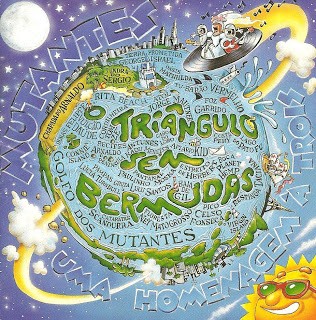
Album Information Section
Album Title: Triângulo sem bermudas
Artist: Various Artists
Original Release Date: 1996
Label: Natasha Records
Genres: Various, including MPB (Música Popular Brasileira), rock, and samba influences.
Track Listing:
- 1. Vida de Cachorro (3:42)
- 2. Não vá se perder por aí (4:30)
- 3. Quem tem medo de brincar de amor (3:33)
- 4. Beijo exagerado (3:51)
- 5. Ave, Lúcifer (2:50)
- 6. El Justiciero (4:05)
- 7. Cantor de Mambo (2:38)
- 8. Top Top (2:47)
- 9. Dia 36 (3:41)
- 10. Desculpe Babe (3:30)
- 11. Panis et Circenses (3:39)
- 12. Ando meio desligado (5:21)
- 13. 2001 (3:53)
Recording Information
The album “Triângulo sem bermudas” was recorded at Estúdio Transamérica, located in São Paulo, Brazil. The recording sessions took place in the mid-1990s, a period marked by a vibrant Brazilian music scene that blended traditional and contemporary sounds.
The production of the album was overseen by a team of notable figures in the Brazilian music industry, including producer Marcos Maynard and engineer Fernando Sanches. They employed advanced recording techniques for the time, utilizing analog equipment alongside digital technology to capture the rich textures of the various musical styles represented on the album.
One interesting production note is that the album features a mix of established artists and emerging talents, creating a unique sonic tapestry that reflects the diversity of Brazilian music in the 1990s. The collaborative nature of the album allowed for a variety of influences, from samba to rock, creating a dynamic listening experience.
Band Context
During the mid-1990s, the Brazilian music scene was undergoing significant changes, with various genres experiencing a renaissance. Various Artists featured on “Triângulo sem bermudas” came from different backgrounds, contributing to the album’s eclectic sound. This period was characterized by a fusion of traditional Brazilian sounds with global music trends, and the artists involved were at the forefront of this movement.
The lineup for this album included a mix of veteran musicians and rising stars, with each artist bringing their unique flair to the project. Many of the contributors were already recognized in their own right, having participated in influential bands or solo projects prior to this release. Before “Triângulo sem bermudas,” these artists were exploring new musical territories, experimenting with sounds that blended Brazilian rhythms with rock, pop, and jazz influences.
Significant events in the Brazilian music landscape, such as the rise of alternative rock and the increasing popularity of MPB, set the stage for this compilation. The album served as a platform for showcasing the talents of various artists, allowing them to reach wider audiences and solidify their places in the Brazilian music scene.
Track Commentary
The tracks on “Triângulo sem bermudas” offer a rich exploration of musical themes and styles. For instance, “Vida de Cachorro,” the opening track, sets a lively tone with its upbeat samba rhythms, while “Não vá se perder por aí” showcases a more introspective lyrical approach paired with a melodic rock influence.
Standout tracks like “Beijo exagerado” and “Ave, Lúcifer” highlight the album’s diversity, with the former presenting catchy hooks and playful lyrics, making it a favorite among listeners. “Ave, Lúcifer,” on the other hand, delves into deeper themes, employing metaphorical lyrics that resonate with the listener.
Another notable track, “Panis et Circenses,” draws on historical references and cultural critique, demonstrating the artists’ engagement with societal issues through music. The closing track, “2001,” offers a reflective conclusion to the album, with its expansive soundscape and contemplative lyrics, leaving listeners with a sense of longing and introspection.
Overall, “Triângulo sem bermudas” received positive critical reception for its innovative approach and the way it encapsulated the spirit of Brazilian music in the 1990s. The legacy of this album continues to influence contemporary artists, serving as a testament to the vibrant and diverse landscape of Brazilian music.
