Album Information Section
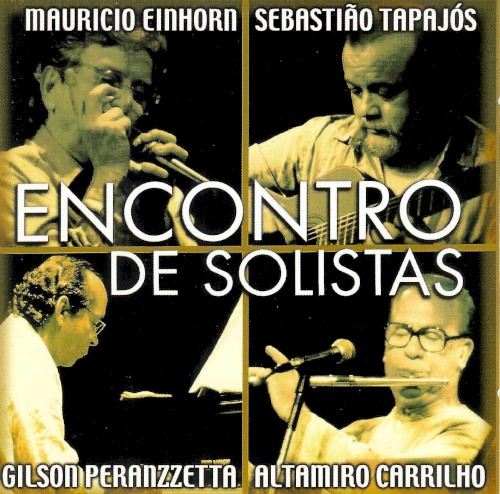
Album Title: Encontro de Solistas
Artists: Altamiro Carrilho, Gilson Peranzzetta, Maurício Einhorn, Sebastião Tapajós
Original Release Date: 1996
Label: Movieplay
Genres: Choro, Brazilian Popular Music
Track Listing:
- 1. Tico-tico no fubá (4:52)
- 2. Jaguari (3:44)
- 3. Chiclete com banana (3:19)
- 4. Taiaçupeba (2:26)
- 5. Pedacinhos do céu (5:19)
- 6. Choro №11 (2:25)
- 7. Estação Barueri (3:45)
- 8. Chega de Saudade/Corcovado (4:26)
- 9. Guaraú (3:52)
- 10. Estamos aí (3:26)
- 11. Assum Preto (3:02)
- 12. Aquarela do Brasil (4:07)
- 13. Tocata para Billy Blanco (4:50)
- 14. Um chorinho diferente (4:04)
Recording Information
The album “Encontro de Solistas” was recorded at the renowned Studio D, located in São Paulo, Brazil. The recording sessions took place in the year 1996, coinciding with the album’s release. The project was produced by the artists themselves alongside a skilled team of sound engineers, although specific names are not widely documented. The production process emphasized capturing the live essence of choro music, a genre characterized by its improvisational nature and intricate rhythms.
During the recording, the musicians utilized traditional instruments associated with choro, including the flute, piano, harmonica, and guitar, which contributed to the album’s authentic sound. The blending of these instruments showcases the rich textures and harmonies that define Brazilian music. An interesting production note is that the album features a mix of both well-known compositions and original works, allowing for a celebratory encounter of musical solos that represent the artists’ virtuosity.
Band Context
At the time of the album’s release in 1996, the individual artists were already established figures in Brazilian music. Altamiro Carrilho, known for his exceptional flute playing, had built a solid career, celebrated for his contributions to the choro genre. Gilson Peranzzetta, a versatile pianist and arranger, brought a wealth of experience from his work in various Brazilian musical styles. Maurício Einhorn was recognized as a master of the harmonica, while Sebastião Tapajós was a distinguished guitarist, known for his delicate playing and compositions.
This album marked a significant moment for these soloists, as it was a collaborative effort that highlighted their unique talents while also emphasizing the communal spirit of choro. Prior to “Encontro de Solistas,” each artist had been involved in various projects and performances, contributing to the Brazilian music scene. The collaboration served not only to showcase their individual skills but also to foster a sense of camaraderie among musicians, which is a hallmark of the choro tradition.
Track Commentary
The album opens with the lively “Tico-tico no fubá,” a classic choro piece that sets the tone for the rest of the collection with its infectious energy. This track is particularly notable for its intricate flute melodies, showcasing Carrilho’s virtuosic abilities. Following this, “Jaguari” and “Chiclete com banana” continue to explore the playful and rhythmic characteristics of choro, each highlighting the distinct styles of the contributing artists.
“Pedacinhos do céu” presents a more sentimental tone, allowing listeners to appreciate the emotional depth that choro can convey. The medley “Chega de Saudade/Corcovado” stands out as a significant moment in the album, blending the works of renowned composers Tom Jobim and Vinicius de Moraes, emphasizing the rich legacy of Brazilian music. Tracks like “Aquarela do Brasil,” a nationalistic anthem, and “Assum Preto” further showcase the artists’ ability to reinterpret classics while maintaining their unique flair.
The album has received positive critical reception, particularly for its arrangement and the seamless collaboration among the musicians. “Encontro de Solistas” is viewed as not just a collection of songs, but a celebration of the choro genre, and its legacy continues to influence emerging Brazilian musicians today. Each track contributes to the overall narrative of Brazilian musical heritage, making the album a significant entry in the discography of its celebrated artists.
