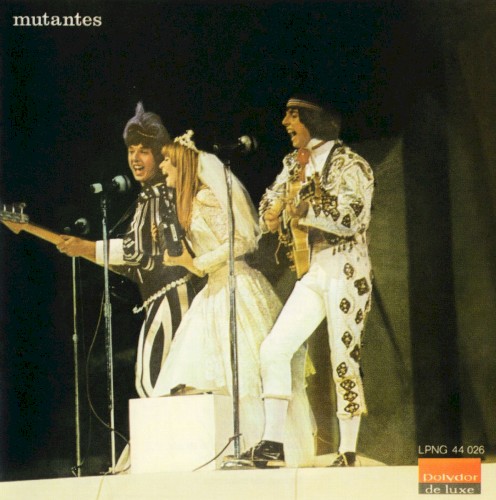
Album Information Section
Album Title: Mutantes
Artist: Mutantes
Original Release Date: February 1969
Label: Unknown Label
Genres: Tropicália, Psychedelic Rock
Track Listing:
- 1. Dom Quixote (3:55)
- 2. Não vá se perder por aí (3:16)
- 3. Dia 36 (4:02)
- 4. Dois mil e um (3:58)
- 5. Algo mais (2:39)
- 6. Fuga nº II (3:43)
- 7. Banho de lua (Tintarella di luna) (3:41)
- 8. Rita Lee (3:10)
- 9. Mágica (4:38)
- 10. Qualquer bobagem (4:37)
- 11. Caminhante noturno (5:10)
Recording Information
The album “Mutantes” was recorded at the famed Estúdio Eldorado in São Paulo, Brazil, a studio known for its role in the Brazilian music scene during the late 1960s. The recording sessions took place in 1968, during a period of significant cultural and political upheaval in Brazil, which influenced the music produced at the time.
The band was produced by the influential figure Arnaldo Baptista, who played a pivotal role in shaping the album’s sound through innovative recording techniques. The engineering was handled by a team that utilized various effects, including reverb and distortion, to create the album’s psychedelic sound. The use of unconventional instruments and electronic effects was notable, contributing to the album’s distinct sound that blended traditional Brazilian music with rock and avant-garde elements.
One of the interesting production stories involves the band’s experimentation with sound, as they often recorded in unconventional ways, including using found sounds and layering multiple instruments to create a rich tapestry of sound. This creative approach helped define the Tropicália movement, of which Mutantes was a central figure.
Band Context
At the time of the album’s release, Mutantes was at the forefront of the Tropicália movement, which sought to blend Brazilian popular music with international influences, particularly rock and psychedelia. The band, formed in 1966, consisted of members Arnaldo Baptista, Rita Lee, and Sérgio Dias, who were known for their eclectic style and innovative songwriting.
By 1969, the band had already gained a reputation for their energetic live performances and their unique sound, which combined Brazilian rhythms with psychedelic rock influences. The release of “Mutantes” further solidified their status as pioneers in the Brazilian music scene. Leading up to the album, the band had experienced a shift in their lineup, with Rita Lee becoming a more prominent figure, contributing not only as a vocalist but also as a songwriter. This period was marked by creativity and artistic exploration, as the band sought to push boundaries in music and lyrics.
Furthermore, this era was characterized by political repression in Brazil under the military dictatorship, which influenced the content and style of their music, often incorporating elements of irony and social commentary.
Track Commentary
The album opens with “Dom Quixote,” a whimsical and surreal track that sets the tone for the rest of the album, blending playful lyrics with intricate musical arrangements. Following this is “Não vá se perder por aí,” characterized by its catchy melody and lyrical depth, reflecting the band’s ability to merge pop sensibilities with more profound themes.
“Dia 36” introduces a more psychedelic sound, utilizing effects that create an ethereal atmosphere, while “Dois mil e um” showcases the band’s knack for engaging harmonies and rhythmic innovation. “Algo mais” offers a brief yet impactful interlude, demonstrating their ability to craft concise songs that resonate emotionally.
The track “Banho de lua (Tintarella di luna)” is a notable cover that merges Brazilian and Italian influences, further showcasing the band’s eclectic taste. “Rita Lee” is a standout track, both as a tribute to the band’s leading female member and as an anthem of empowerment. The album concludes with “Caminhante noturno,” a reflective piece that encapsulates the lyrical and musical journey the band undertakes throughout the album.
Overall, “Mutantes” received critical acclaim for its innovative sound and remains a landmark album in the Tropicália movement. The legacy of individual tracks continues to influence contemporary Brazilian music and beyond, highlighting the band’s role in shaping the soundscape of the late 20th century.
For further exploration, this pressing of the album was reissued in 2006 and can be found on various music platforms, including its MusicBrainz entry at here.
