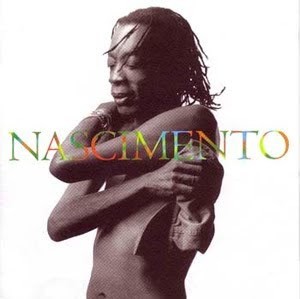
Album Information Section
Album Title: Nascimento
Artist: Milton Nascimento
Original Release Date: June 10, 1997
Label: Unknown Label
Genres: MPB (Música Popular Brasileira), Jazz Fusion
Track Listing
- 1. Louva-a-deus (The Praying Mantis) – 3:07
- 2. O cavaleiro (The Rider) – 3:43
- 3. Guardanapos de papel (Paper Napkins) (Portuguese version) – 5:25
- 4. Cuerpo y alma (Body and Soul) – 3:59
- 5. Rouxinol (The Nightingale) – 3:17
- 6. Janela para o mundo (Window to the World) – 4:05
- 7. E agora, rapaz? (And What Now, Man?) – 4:38
- 8. Levantados do chão (Ground Raised) – 3:16
- 9. Ana Maria – 5:20
- 10. Ol’ Man River – 3:33
- 11. Os tambores de Minas (Minas Drums) – 3:38
- 12. Biromes y servilletas (Paper Napkins) (Spanish version) – 5:24
Recording Information
The album “Nascimento” was recorded primarily at the renowned Estúdio Cia dos Técnicos located in Rio de Janeiro, Brazil. The recording sessions took place during the mid-1990s, culminating in the album’s release in June 1997. Notably, the production for this album was overseen by Milton Nascimento himself along with engineer Hugo D’Andrea, who played a crucial role in capturing the essence of Nascimento’s sound.
During the recording of “Nascimento,” advanced recording techniques were utilized, including the use of digital audio workstations for layering and mixing. The album features a rich blend of instrumentation, showcasing Nascimento’s signature style that combines elements of Brazilian folk, jazz, and classical music. An interesting production note is that the album includes both Portuguese and Spanish versions of “Guardanapos de papel,” demonstrating Nascimento’s versatility and appeal across different languages and cultures.
Band Context
At the time of the release of “Nascimento,” Milton Nascimento was already an established figure in the world of music, celebrated for his innovative approach to Brazilian music and his unique vocal style. Born on October 26, 1942, in Rio de Janeiro, Nascimento had a prolific career spanning several decades, marked by numerous collaborations with prominent artists across various genres. His work in the 1990s continued to explore new musical territories while maintaining his strong roots in Brazilian culture.
The lineup for this album included a host of talented musicians, contributing to Nascimento’s distinctive sound. While specific personnel details for the recording were not widely documented, Nascimento often collaborated with a range of musicians, including jazz and MPB artists, which enriched the album’s texture. Before “Nascimento,” he had experienced a shift in his musical direction, moving towards a more international sound while still paying homage to his Brazilian heritage. This era saw him tackling themes of identity, love, and social commentary through his music.
Track Commentary
The tracks on “Nascimento” showcase a wide array of musical styles, with many songs reflecting Nascimento’s roots in MPB while also embracing jazz influences. The opening track, “Louva-a-deus (The Praying Mantis),” introduces listeners to the album’s lush arrangements and intricate melodies, setting the tone for the journey ahead. “O cavaleiro (The Rider)” follows with its rhythmic complexity and lyrical depth, exploring themes of journey and exploration.
One of the standout tracks, “Guardanapos de papel,” exists in both Portuguese and Spanish versions on the album, highlighting Nascimento’s bilingual capabilities and his appeal to diverse audiences. The song is characterized by its poignant lyrics and emotive delivery, making it a fan favorite. “Cuerpo y alma (Body and Soul)” brings a jazz-inflected sensibility, showcasing Nascimento’s ability to blend genres seamlessly.
Other notable tracks include “E agora, rapaz?” and “Ana Maria,” both of which delve into personal and introspective themes. The inclusion of the classic “Ol’ Man River” demonstrates Nascimento’s respect for musical traditions while infusing it with his unique Brazilian flair. The album closes with “Biromes y servilletas,” the Spanish version of “Guardanapos de papel,” which serves as a fitting conclusion, further solidifying Nascimento’s cross-cultural musical identity.
Overall, “Nascimento” received favorable reviews for its intricate arrangements and Nascimento’s vocal prowess, solidifying his status as a leading figure in contemporary Brazilian music. The album continues to resonate with audiences, showcasing the timeless quality of Nascimento’s artistry.
