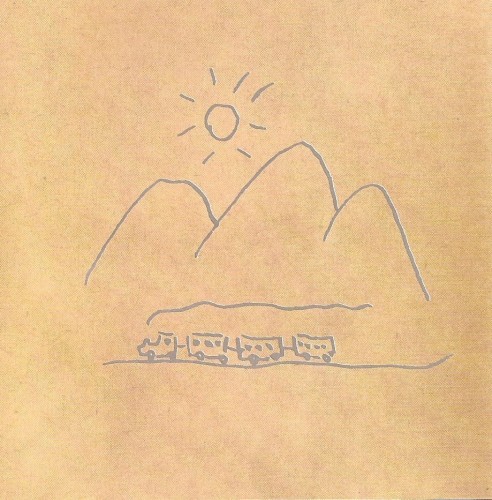
Album Information Section
Album Title: Geraes
Artist: Milton Nascimento
Original Release Date: 1976
Label: EMI
Genres: MPB (Música Popular Brasileira), Jazz, Folk
Track Listing:
- 1. Fazenda (2:39)
- 2. Calix Bento (3:28)
- 3. Volver a los 17 (5:05)
- 4. Menino (2:46)
- 5. O Que Será (À Flor da Pele) (4:07)
- 6. Carro de Boi (3:38)
- 7. Caldera (4:20)
- 8. Promessas Do Sol (4:53)
- 9. Viver de Amor (2:32)
- 10. Lua Girou (3:40)
- 11. Circo Marimbondo (2:54)
- 12. Minas Geraes (5:07)
- 13. Primeiro de Maio (4:48)
- 14. O Cio da Terra (3:47)
Recording Information
The album “Geraes” was recorded at the renowned Estúdio Transamérica in São Paulo, Brazil. The exact recording dates are not well-documented, but it is generally acknowledged that the album was conceived and produced around 1976, coinciding with Nascimento’s rise to prominence in the Brazilian music scene. The production team behind the album included the influential producer and musician, Nelson Motta, along with engineer Carlos Alberto de Souza, who employed innovative recording techniques to capture the richness of Nascimento’s voice and the intricate arrangements of the accompanying musicians.
One notable aspect of the recording was the use of a variety of acoustic instruments, reflecting Nascimento’s affinity for blending traditional Brazilian sounds with more contemporary influences. The production aimed to create a warm, inviting sound that would resonate with listeners both in Brazil and internationally.
Band Context
At the time of “Geraes,” Milton Nascimento was already an established figure in Brazilian music, having gained recognition for his unique voice and innovative compositions. His career began in the early 1960s, but it was during the early to mid-1970s that he truly emerged as a leading artist in the MPB genre. Nascimento was known for his collaborations with other prominent musicians, including Brazilian legends like Caetano Veloso and Gilberto Gil, which helped to elevate his profile and expand his musical horizons.
The lineup during the recording of “Geraes” featured a collection of talented musicians, including the distinguished guitarist Toninho Horta, who contributed significantly to the album’s arrangements. The period leading up to this release was marked by a series of successful albums that showcased Nascimento’s ability to blend various musical influences, thus paving the way for “Geraes” to be a critical milestone in his discography. It is also essential to note that this was a time of political turmoil in Brazil, where music served as both a form of expression and resistance against the military dictatorship, further enriching the context in which Nascimento and his contemporaries created their art.
Track Commentary
“Geraes” is a rich tapestry of sound that showcases Nascimento’s versatility as a composer and performer. The opening track, “Fazenda,” introduces the listener to the album’s lush soundscapes, characterized by its melodic beauty and rhythmic intricacies. “Calix Bento” follows with a more upbeat tempo, featuring engaging lyrics that reflect Nascimento’s poetic style.
One of the standout tracks, “Volver a los 17,” is a poignant cover of a song by the Argentine singer Mercedes Sosa, capturing the essence of nostalgia and longing. The song’s emotional depth resonates with many listeners and has since become one of Nascimento’s signature pieces. Another significant track is “O Que Será (À Flor da Pele),” which has been covered by numerous artists and remains a staple in Brazilian music due to its powerful lyrics and haunting melody.
The album’s title track, “Minas Geraes,” serves as a tribute to Nascimento’s home state of Minas Gerais, encapsulating the rich cultural and musical heritage of the region. The song is often celebrated for its intricate arrangements and harmonious vocal interplay. Tracks like “Circo Marimbondo” and “O Cio da Terra” further illustrate Nascimento’s ability to weave social commentary into his music, making “Geraes” not just a collection of songs but a profound artistic statement.
Critical reception of “Geraes” has been overwhelmingly positive, with many praising its innovative blend of genres and its ability to transcend cultural boundaries. The album has solidified Nascimento’s legacy within the world of music, influencing countless artists and remaining a vital component of the Brazilian music canon.
