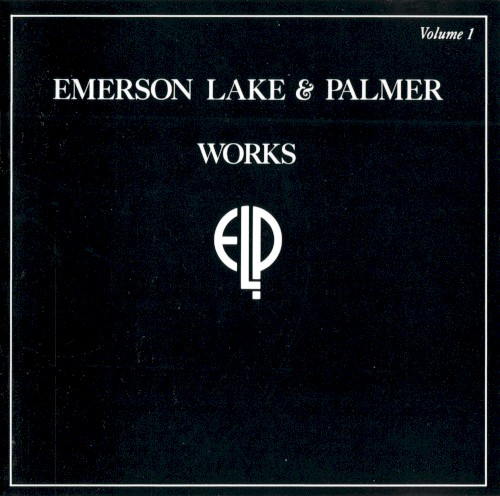
Album Information Section
Album Title: Works, Volume 1
Artist: Emerson, Lake & Palmer
Original Release Date: March 17, 1977
Label: Columbia House
Track Listing:
- 1. Piano Concerto No. 1: I. Allegro gioioso / II. Andante molto cantabile / III. Toccata con fuoco (18:28)
- 2. Lend Your Love to Me Tonight (4:05)
- 3. C’est la vie (4:20)
- 4. Hallowed Be Thy Name (4:37)
- 5. Nobody Loves You Like I Do (4:00)
- 6. Closer to Believing (5:34)
- 7. The Enemy God Dances With the Black Spirits (3:17)
- 8. L.A. Nights (5:42)
- 9. New Orleans (2:45)
- 10. Two Part Invention in D Minor (1:53)
- 11. Food for Your Soul (3:57)
- 12. Tank (5:07)
- 13. Fanfare for the Common Man (9:41)
- 14. Pirates (13:16)
Recording Information
“Works, Volume 1” was recorded at the renowned Advision Studios located in London, England. The sessions took place primarily in late 1976, marking a significant period for the band. The production was overseen by the band members themselves—Keith Emerson, Greg Lake, and Carl Palmer—acting as co-producers along with engineer David Hentschel. The album is notable for its ambitious integration of classical music elements with rock, showcasing Emerson’s penchant for grandiose arrangements, particularly in the “Piano Concerto No. 1.”
One of the interesting aspects of the recording process was the use of a Steinway grand piano, which Emerson played extensively, marking a departure from traditional rock instrumentation. The album also featured a variety of synthesizers and orchestral arrangements, further solidifying the band’s reputation for musical sophistication. Notably, the recording of “Fanfare for the Common Man” included a full orchestra, which added depth and richness to the track.
Band Context
At the time of the album’s release, Emerson, Lake & Palmer (ELP) were already established as one of the leading progressive rock bands, having gained significant popularity in the early 1970s. The lineup during this period consisted of keyboardist Keith Emerson, vocalist and bassist Greg Lake, and drummer Carl Palmer. Prior to “Works, Volume 1,” the band had experienced both commercial success and critical scrutiny, particularly with their previous albums “Brain Salad Surgery” and “Welcome Back My Friends to the Show That Never Ends.” This album represented a pivotal moment as they sought to redefine their sound and artistry after a series of extensive tours.
In the lead-up to this album, the band members pursued individual projects, which influenced the diverse styles present in “Works, Volume 1.” This exploration of personal musical interests allowed for a broader range of expression and experimentation in their sound. The album also marked a shift towards more solo-oriented material, with each member contributing significantly to the songwriting and arrangement.
Track Commentary
The album opens with the ambitious “Piano Concerto No. 1,” a three-part composition that showcases Emerson’s classical training and virtuosic piano skills. Spanning over 18 minutes, the piece is a bold statement of ELP’s commitment to blending rock with classical music, featuring intricate melodies and dynamic orchestration.
Following this grand opening, tracks like “Lend Your Love to Me Tonight” and “C’est la vie” highlight the band’s softer, more melodic side, with engaging vocals from Lake. “Hallowed Be Thy Name” and “Nobody Loves You Like I Do” further emphasize Lake’s lyrical prowess and emotional delivery, providing a contrast to the more complex instrumental pieces.
“Fanfare for the Common Man,” one of the standout tracks, is an adaptation of Aaron Copland’s orchestral work, transformed into a powerful rock anthem that has since become one of ELP’s signature songs. The track’s anthemic quality and driving rhythm have left a lasting impact on the progressive rock genre.
The album concludes with “Pirates,” a sprawling narrative piece that combines theatrical storytelling, intricate arrangements, and climactic musical moments, encapsulating the band’s flair for dramatic expression. Overall, “Works, Volume 1” received mixed reviews upon release but has since been recognized as an important work in the progressive rock canon, illustrating ELP’s ambitious vision and musical versatility.
