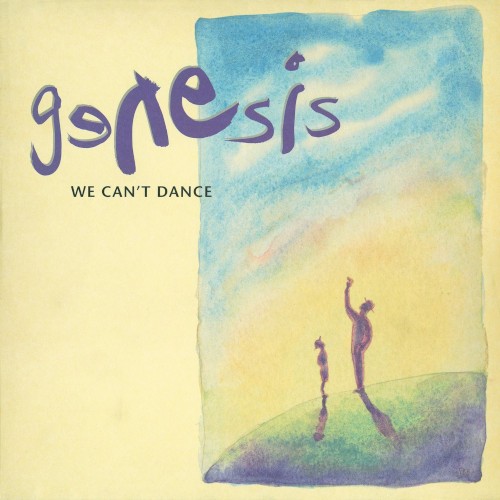
Album Information Section
Album Title: We Can’t Dance
Artist: Genesis
Original Release Date: November 7, 1991
Label: Unknown Label
Genres: Rock, Pop Rock, Progressive Rock
Track Listing:
- 1. No Son of Mine (6:39)
- 2. Jesus He Knows Me (4:16)
- 3. Driving the Last Spike (10:09)
- 4. I Can’t Dance (4:01)
- 5. Never a Time (3:50)
- 6. Dreaming While You Sleep (7:17)
- 7. Tell Me Why (4:59)
- 8. Living Forever (5:41)
- 9. Hold On My Heart (4:38)
- 10. Way of the World (5:39)
- 11. Since I Lost You (4:10)
- 12. Fading Lights (10:16)
Recording Information
We Can’t Dance was primarily recorded at the Desert Moon Recording Studios in Los Angeles, California. The recording sessions took place throughout 1991, culminating in its release in November of the same year. The album was produced by Nick Davis, who also served as the engineer alongside John Burns, a notable figure in the production of many successful albums during the late 20th century.
The recording process for We Can’t Dance marked a significant shift in Genesis’s approach to music production. Notably, digital recording techniques were employed extensively, allowing for a more polished sound. The band utilized synthesizers and computer-based sequencing, which complemented their traditional instrumentation, showcasing the evolution of their musical style. An interesting production note is that the band recorded much of the album in a relaxed setting, allowing for spontaneous creativity, which is reflected in the album’s diverse sound palette.
Band Context
By the time We Can’t Dance was released, Genesis had solidified its status as one of the leading progressive rock bands of the 1980s and early 1990s. The lineup during this recording consisted of Phil Collins (vocals, drums), Mike Rutherford (guitar, bass), and Tony Banks (keyboards, guitar). This trio had been the core of Genesis since the departure of guitarist Steve Hackett in the late 1970s.
Leading up to the album’s release, Genesis experienced a period of significant commercial success, particularly with their previous albums, Invisible Touch (1986) and We Can’t Dance’s lead-in singles. However, tensions within the band had begun to surface, largely due to Phil Collins’s burgeoning solo career. Despite these internal challenges, the band managed to deliver a cohesive and commercially successful album, which would go on to be their last studio album before a lengthy hiatus.
Track Commentary
The opening track, No Son of Mine, sets a poignant tone with its narrative lyrics addressing themes of familial estrangement, combined with a gripping melodic progression. This track, alongside I Can’t Dance, which became one of the band’s most commercially successful singles, showcases the blend of rock and pop elements that characterized the album.
Tracks like Driving the Last Spike and Fading Lights return to the band’s progressive roots, featuring intricate arrangements and extended instrumental sections that harken back to their earlier work. Jesus He Knows Me offers a satirical take on televangelism, which resonated with listeners and critics alike, further solidifying the band’s commentary on contemporary issues.
Other notable tracks include Hold On My Heart and Never a Time, which emphasize the band’s ability to craft commercially viable songs while retaining artistic integrity. Critical reception of the album was generally positive, with many praising its production quality and the band’s musicianship, although some longtime fans expressed nostalgia for their earlier, more complex progressive compositions.
Overall, We Can’t Dance stands as a testament to Genesis’s ability to adapt and evolve while still delivering music that resonates with a wide audience, and it remains an essential part of their discography.
