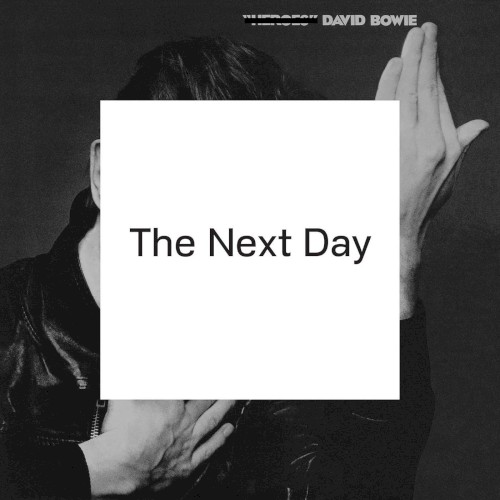
Album Information Section
Album Title: The Next Day
Artist: David Bowie
Original Release Date: March 8, 2013
Label: Unknown Label
Genres: Rock, Art Rock, Alternative Rock
Track Listing:
- 1. The Next Day (3:27)
- 2. Dirty Boys (2:58)
- 3. The Stars (Are Out Tonight) (3:57)
- 4. Love Is Lost (3:58)
- 5. Where Are We Now? (4:09)
- 6. Valentine’s Day (3:02)
- 7. If You Can See Me (3:12)
- 8. I’d Rather Be High (3:45)
- 9. Boss of Me (4:10)
- 10. Dancing Out in Space (3:22)
- 11. How Does the Grass Grow? (4:34)
- 12. (You Will) Set the World on Fire (3:32)
- 13. You Feel So Lonely You Could Die (4:38)
- 14. Heat (4:25)
Recording Information
The Next Day was recorded primarily at the famed New York City studio, The Magic Shop, known for its rich history and distinctive acoustics. The recording sessions took place in 2012, marking a significant return for Bowie after a decade-long hiatus from the studio. The album was produced by Bowie himself alongside long-time collaborator Tony Visconti, who had worked with Bowie on several earlier classic albums.
Notably, Visconti employed a mix of traditional analog recording techniques and modern digital methods, allowing for a unique sound that blended the old with the new. The use of vintage instruments, particularly the piano and guitar, added a nostalgic layer to the album, reminiscent of Bowie’s earlier work while still feeling contemporary. An interesting production note is that several tracks were recorded live in the studio, capturing the raw energy of the musicianship that characterized Bowie’s albums in the past.
Band Context
At the time of The Next Day’s release, David Bowie was in a unique position in his career. Having experienced a series of personal challenges and health issues, including a heart attack in 2004, Bowie had largely retreated from the public eye after the release of his 2003 album, Reality. His unexpected return to music in 2013 was both a surprise and a delight for fans and critics alike.
The lineup for the album featured a mix of seasoned musicians, including guitarist Earl Slick, who had previously collaborated with Bowie, and bassist Gail Ann Dorsey, known for her dynamic stage presence. The album’s release was met with widespread acclaim and marked a significant comeback, showcasing Bowie’s ability to remain relevant in an ever-evolving musical landscape.
Before The Next Day, Bowie had been involved in various artistic endeavors, including acting and producing, but his absence from music had left a noticeable gap. The album not only reestablished his presence but also introduced a new generation to his work, setting the stage for his continued influence in the music industry.
Track Commentary
The Next Day opens with the title track, “The Next Day,” which sets a bold tone with its driving rhythm and poignant lyrics reflecting on time and existence. The album flows seamlessly with tracks like “Dirty Boys” and “The Stars (Are Out Tonight),” both of which explore themes of desire and fame, accompanied by catchy melodies and infectious hooks.
Standout track “Where Are We Now?” became a critical success, often noted for its introspective lyrics and haunting piano arrangement, showcasing Bowie’s reflective side after years of silence. The song received significant airplay and was released as a single, earning Bowie a Grammy nomination for Best Pop Solo Performance.
Other notable tracks include “Love Is Lost,” which delves into themes of heartbreak and loss, and “Dancing Out in Space,” a more upbeat offering that invites listeners to engage with the music physically. The album’s diverse range of styles reflects Bowie’s willingness to experiment while still maintaining his signature sound, and tracks like “(You Will) Set the World on Fire” and “Heat” serve as powerful finales that encapsulate the emotional depth of the album.
Overall, The Next Day is seen as a triumphant return for David Bowie. It not only revitalized his career but also solidified his legacy as one of music’s most innovative and enduring artists. Critics hailed the album for its artistic integrity, and it received multiple accolades, further reinforcing Bowie’s status as a cultural icon.
