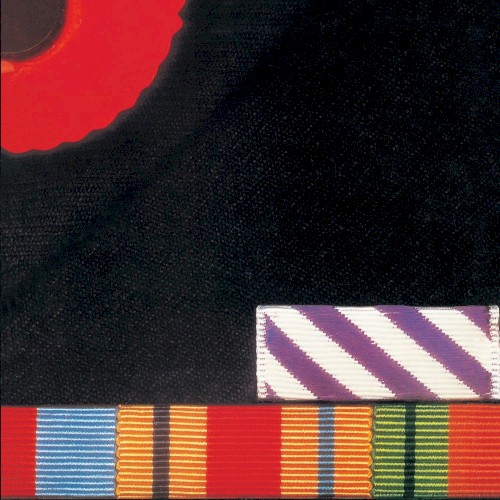
Album Information Section
Album Title: The Final Cut
Artist: Pink Floyd
Original Release Date: March 21, 1983
Label: Unknown Label
Track Listing:
- 1. The Post War Dream (3:01)
- 2. Your Possible Pasts (4:26)
- 3. One of the Few (1:14)
- 4. When the Tigers Broke Free (3:15)
- 5. The Hero’s Return (2:43)
- 6. The Gunner’s Dream (5:18)
- 7. Paranoid Eyes (3:42)
- 8. Get Your Filthy Hands Off My Desert (1:17)
- 9. The Fletcher Memorial Home (4:11)
- 10. Southampton Dock (2:12)
- 11. The Final Cut (4:42)
- 12. Not Now John (5:01)
- 13. Two Suns in the Sunset (5:19)
Recording Information
The Final Cut was primarily recorded at the Britannia Row Studios in London, England, a facility owned by the band themselves. The recording sessions took place in 1982, specifically during the early months of that year. The production was overseen by Roger Waters, who played a pivotal role in shaping the album’s concept and sound. Engineered by Nick Griffiths, the project utilized a variety of recording techniques that aimed to capture the emotional depth and narrative clarity of Waters’ lyrics. Notably, the album is characterized by its orchestral arrangements, which were crafted by Waters and conducted by Michael Kamen, adding a cinematic quality to the music.
One interesting aspect of the production was the use of sound effects and spoken-word segments to enhance the storytelling elements of the album. The process was marked by tensions within the band, as this would be the last studio album featuring band member Roger Waters, which influenced both the lyrical content and the overall atmosphere of the recording sessions.
Band Context
During the time of The Final Cut’s release, Pink Floyd was experiencing significant internal struggles. The band had previously released The Wall in 1979, a highly conceptual rock opera that solidified their status as rock icons but also led to tensions, particularly between Waters and guitarist David Gilmour. By 1983, these tensions had escalated, leading to a schism that would ultimately change the trajectory of the band.
The lineup for this album consisted of Roger Waters, David Gilmour, Nick Mason, and Richard Wright, although Wright’s contributions were limited due to his strained relationship with Waters. The band was coming off the extensive touring of The Wall, and the emotional weight of the material reflected in the songs. The Final Cut can be seen as a reaction to the political climate of the early 1980s, particularly the Falklands War, which deeply affected Waters and influenced the thematic elements of the album.
Track Commentary
The Final Cut is often regarded as a deeply personal and politically charged work. The opening track, “The Post War Dream,” sets the tone with its somber reflection on the aftermath of war. Following this, “Your Possible Pasts” explores themes of memory and loss, while “When the Tigers Broke Free” is an emotional recounting of the death of Waters’ father in World War II, adding a layer of personal grief to the broader commentary on conflict.
Musically, the album is characterized by its orchestral arrangements and somber tone, which differentiates it from the more rock-oriented style of previous Pink Floyd albums. Tracks like “The Gunner’s Dream” and “The Fletcher Memorial Home” delve into the absurdities of war and the subsequent desire for peace, resonating with listeners on both emotional and intellectual levels.
Singles such as “Not Now John” received notable airplay, with its catchy chorus juxtaposed against darker lyrical themes. Over the years, The Final Cut has been critically reassessed, frequently recognized for its ambitious narrative and poignant commentary, although it initially received mixed reviews upon release.
The closing track, “Two Suns in the Sunset,” evokes a haunting image of nuclear war, leaving listeners with a sense of urgency and foreboding. The Final Cut stands as a complex, introspective work that encapsulates both the disillusionment of its time and the personal turmoil within Pink Floyd, marking it as a significant entry in the band’s discography.
