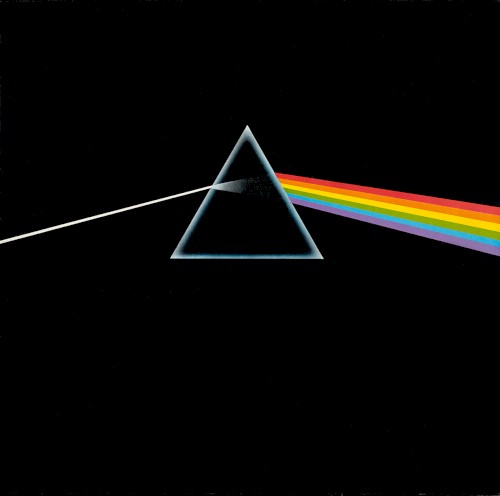
Album Information Section
Album Title: The Dark Side of the Moon
Artist: Pink Floyd
Original Release Date: 1973-03-24
Label: Unknown Label
Track Listing:
- 1. Speak to Me (1:30)
- 2. Breathe (In the Air) (2:43)
- 3. On the Run (3:30)
- 4. Time (6:53)
- 5. The Great Gig in the Sky (4:15)
- 6. Money (6:30)
- 7. Us and Them (7:51)
- 8. Any Colour You Like (3:24)
- 9. Brain Damage (3:50)
- 10. Eclipse (1:45)
Recording Information
The Dark Side of the Moon was primarily recorded at Abbey Road Studios in London, England, a location synonymous with the British rock scene. Recording sessions took place from June 1972 to January 1973, capturing the band at a pivotal moment in their evolution. The production of the album was spearheaded by the band alongside renowned engineers Alan Parsons and Chris Thomas. The team employed innovative recording techniques, including the use of multitrack recording and tape loops, which contributed to the album’s rich soundscapes and complex arrangements.
One notable story from the production phase involves the iconic sound effects that permeate the album, such as heartbeats and cash registers, which were carefully crafted using various studio equipment and techniques. The album’s sonic experimentation and conceptual depth set it apart from its predecessors, marking a significant milestone in progressive rock.
Band Context
At the time of recording The Dark Side of the Moon, Pink Floyd was transitioning from their earlier psychedelic influences to a more cohesive and commercially viable sound. The band consisted of its classic lineup, comprising Syd Barrett, Roger Waters, David Gilmour, Nick Mason, and Richard Wright. Following the departure of Barrett in the late 1960s, the band faced a period of uncertainty, but the arrival of Gilmour solidified their musical direction.
Leading up to the album’s release, Pink Floyd had achieved moderate success with their previous works, but it was The Dark Side of the Moon that would catapult them into international stardom. The album’s themes—addressing mental health, existentialism, and the pressures of modern life—resonated with audiences and critics alike, reflecting societal concerns of the early 1970s. The band’s willingness to explore these heavy themes marked a significant evolution in their artistry.
Track Commentary
The Dark Side of the Moon is renowned for its seamless flow between tracks, creating a continuous listening experience. The album opens with “Speak to Me,” an introductory piece that sets the tone for the journey ahead. This is followed by “Breathe (In the Air),” which introduces the album’s central theme of life’s cyclical nature. The track showcases a blend of rock and ambient music, encapsulating the band’s innovative spirit.
“On the Run” presents a more experimental approach, featuring synthesizers and tape loops, symbolizing the anxiety of modern travel. The standout track “Time” combines intricate guitar work with philosophical lyrics, earning its place as one of Pink Floyd’s most celebrated songs. “The Great Gig in the Sky,” featuring Clare Torry’s powerful vocal performance, serves as a poignant meditation on death and mortality.
“Money,” with its distinctive cash register intro, critiques capitalism and societal greed, becoming a commercial hit and a staple of the band’s live performances. “Us and Them” delves into themes of conflict and division, showcasing the band’s lyrical depth. The instrumental “Any Colour You Like” acts as a bridge, leading into the hauntingly introspective “Brain Damage” and culminating with “Eclipse,” which concludes the album on a powerful note, reinforcing its overarching themes.
The critical reception of The Dark Side of the Moon was overwhelmingly positive, with many reviewers praising its conceptual unity and sonic experimentation. The album has since become a cultural touchstone, influencing countless artists and solidifying Pink Floyd’s legacy as one of the most significant bands in rock history. Its impact is further evidenced by its enduring presence on album charts and its frequent inclusion in discussions of the greatest albums of all time.
