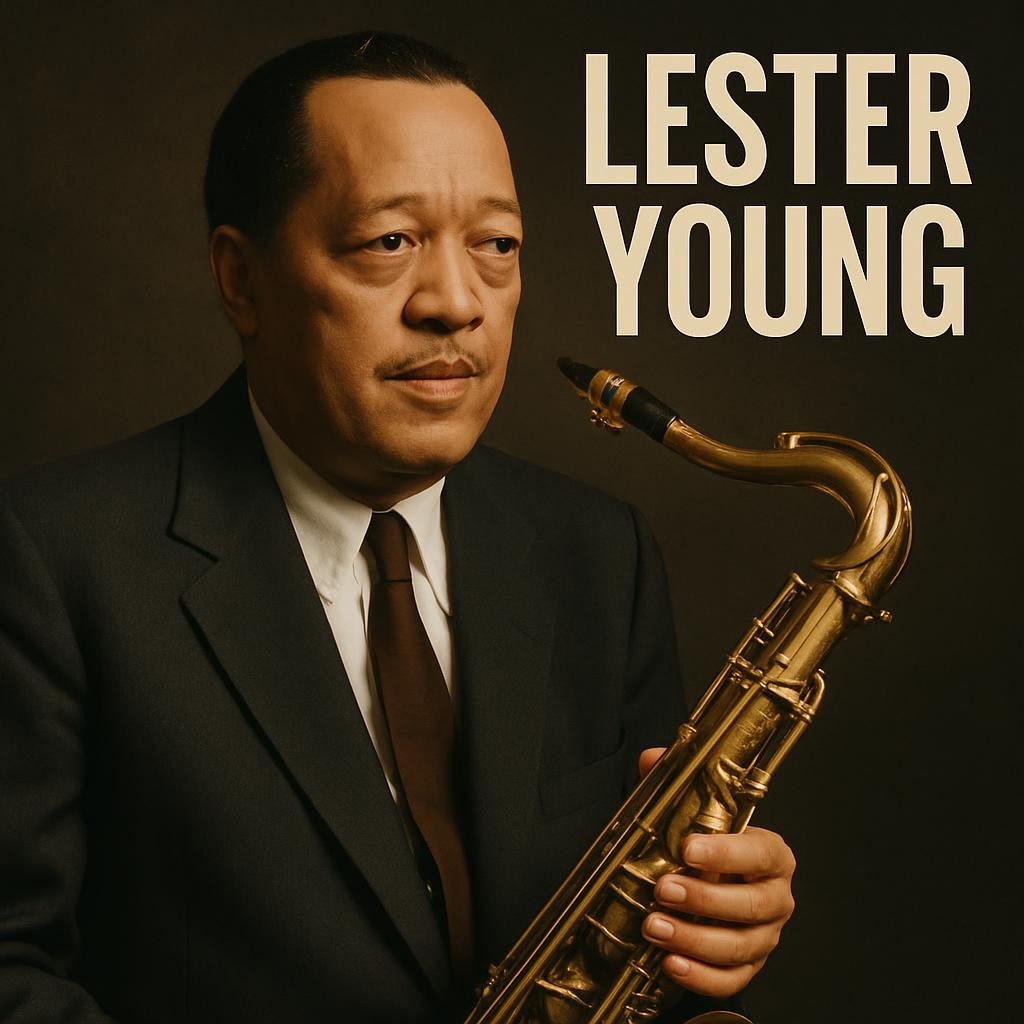
Album Information Section
Album Title: The Complete Aladdin Sessions
Artist: Lester Young
Original Release Date: 2000-01-17
Label: Definitive Records
Genres: Jazz, Swing
- 1. D.B. Blues (3:01)
- 2. Lester Blows Again (2:32)
- 3. These Foolish Things (3:11)
- 4. Jumpin’ at Mesner’s (2:45)
- 5. It’s Only a Paper Moon (3:06)
- 6. After You’ve Gone (2:42)
- 7. Lover Come Back to Me (2:37)
- 8. Jammin’ With Lester (3:03)
- 9. You’re Driving Me Crazy (3:06)
- 10. New Lester Leaps In (2:58)
- 11. Lester’s Be Bop Boogie (3:14)
- 12. She’s Funny That Way (3:21)
- 13. Sunday (2:25)
- 14. S.M. Blues (3:05)
- 15. Jumpin’ With Symphony Sid (3:11)
- 16. No Eyes Blues (3:00)
- 17. Sax-O-Be-Bop (2:53)
- 18. On the Sunny Side of the Street (3:00)
- 19. Easy Does It (2:33)
- 20. Movin’ With Lester (3:11)
- 21. One O’Clock Jump (2:37)
- 22. Jumpin’ at the Woodside (Every Tub) (3:01)
- 23. Confessin’ (2:31)
- 24. Lester Smooths It Out (2:55)
- 25. Just Coolin’ (2:59)
- 26. Tea for Two (3:08)
- 27. East of the Sun (3:10)
- 28. The Sheik of Araby (2:31)
- 29. Something to Remember You By (2:45)
- 30. Indiana (4:53)
- 31. I Can’t Get Started (4:55)
- 32. Tea for Two (4:48)
- 33. Body and Soul (5:10)
- 34. [untitled (Ad Lib)] (3:13)
- 35. Please Let Me Forget (3:10)
- 36. (I Love Him Though) He Don’t Love Me Any More (2:52)
- 37. Pleasin’ Man Blues (Stop Jivin’ Around) (3:06)
- 38. See See Rider (2:47)
- 39. It’s Better to Give Than to Receive (2:56)
Recording Information
The Complete Aladdin Sessions were recorded at the Aladdin Studios in Los Angeles, California, during the years 1944 to 1946. The sessions were produced by a team that included notable figures from the jazz world, ensuring a polished yet authentic sound representative of the era. The engineering was carried out using the recording techniques prevalent in the mid-20th century, which emphasized the capture of live performance dynamics. The use of analog tape and ribbon microphones contributed to the warm, rich tones that characterize these recordings.
During the production of these sessions, Lester Young was known for his innovative approach to the tenor saxophone, incorporating elements of improvisation and a unique lyrical style that would influence generations of musicians. The sessions reflect a time of experimentation and creativity in jazz, with Young at the forefront of this movement.
Band Context
Lester Young, often referred to as “Prez,” was a key figure in the development of jazz during the 1930s and 1940s. By the time of the Aladdin sessions, he was already established as one of the most influential saxophonists of his time, known for his smooth tone and relaxed phrasing. His work with the Count Basie Orchestra had solidified his status, but he was also experiencing personal challenges, including battles with substance abuse and the effects of World War II on his mental health.
The lineup during these sessions featured a mix of talented musicians, including prominent figures like pianist Nat King Cole and drummer Buddy Rich. Their contributions added depth and variety to the recordings, creating a rich tapestry of sound that showcases Young’s improvisational brilliance. The period leading up to and including these sessions was marked by significant changes in the jazz landscape, as the genre began to transition from big band swing to more intimate small group formats.
Track Commentary
The Complete Aladdin Sessions consist of 39 tracks that encapsulate Lester Young’s most significant contributions to jazz during this time. Standout tracks such as “These Foolish Things” and “Body and Soul” highlight his lyrical approach to melody, while “D.B. Blues” and “Lester Blows Again” showcase his improvisational skills and rhythmic innovation. The album is a rich blend of ballads, uptempo numbers, and blues-infused tracks, each revealing different facets of Young’s artistry.
Many of the tracks, including “It’s Only a Paper Moon” and “Lover Come Back to Me,” have become jazz standards, frequently covered by other artists and celebrated for their emotional depth and melodic charm. Critical reception of the album has been overwhelmingly positive, with many praising Young’s ability to convey a sense of ease and sophistication through his performances. The legacy of these recordings continues to influence contemporary jazz musicians, affirming Lester Young’s place in the pantheon of jazz greats.
