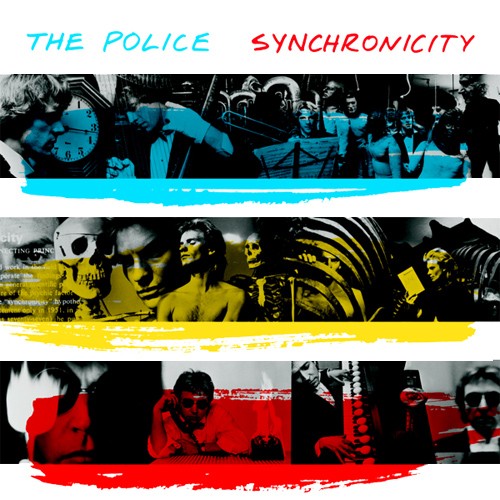
Album Information Section
Album Title: Synchronicity
Artist: The Police
Original Release Date: June 1, 1983
Label: Unknown Label
Genres: Rock, New Wave, Reggae
Track Listing:
- 1. Synchronicity I (3:24)
- 2. Walking in Your Footsteps (3:37)
- 3. O My God (4:02)
- 4. Mother (3:06)
- 5. Miss Gradenko (2:00)
- 6. Synchronicity II (5:05)
- 7. Every Breath You Take (4:14)
- 8. King of Pain (4:59)
- 9. Wrapped Around Your Finger (5:14)
- 10. Tea in the Sahara (4:15)
- 11. Murder by Numbers (4:34)
Recording Information
“Synchronicity” was recorded at the renowned AIR Studios, located in Montserrat, a picturesque Caribbean island. The recording took place primarily in 1982, capturing the band’s innovative sound just before its release in 1983. The album was produced by the band itself, with the notable contributions of engineer Hugh Padgham, who had previously worked with The Police on their earlier albums.
The production of “Synchronicity” was characterized by the use of advanced recording techniques for the time, including the implementation of digital recording technology, which added a polished sheen to the album’s sound. Notable equipment included the Fairlight CMI, an early digital sampling synthesizer that helped shape some of the album’s experimental tracks. A memorable production story involves the recording of “Every Breath You Take,” which was initially conceived as a simple love song but evolved into a darker reflection on obsession and heartbreak, showcasing the band’s lyrical depth.
Band Context
At the time of “Synchronicity,” The Police were at the peak of their fame and creative output. The band, originally formed in 1977, consisted of three members: Sting (lead vocals, bass guitar), Andy Summers (guitar), and Stewart Copeland (drums). Their previous album, “Ghost in the Machine,” had solidified their reputation as one of the leading acts in the rock and new wave scenes. However, tensions within the band were beginning to surface, particularly between Sting and Copeland, which would ultimately influence the dynamics during the recording of “Synchronicity.”
Leading up to the album’s release, the band was under immense pressure to succeed commercially, and they responded by pushing their musical boundaries. The success of the lead single “Every Breath You Take,” which would go on to win the Grammy Award for Song of the Year, catapulted the band into a new level of international acclaim. Despite this, “Synchronicity” would also mark the beginning of the end for The Police, as they would disband shortly after its release to pursue individual projects.
Track Commentary
The album opens with “Synchronicity I,” a track that sets the tone with its atmospheric soundscapes and philosophical lyrics, exploring the concept of interconnectedness. “Walking in Your Footsteps” follows, incorporating a reggae beat that reflects the band’s diverse influences. “O My God” features a more intense vocal delivery by Sting, showcasing the album’s exploration of spiritual themes.
One of the standout tracks is “Every Breath You Take,” which became an anthem of the 1980s, characterized by its haunting melody and introspective lyrics. The song’s critical reception was overwhelmingly positive, and it remains one of The Police’s most recognizable hits. “King of Pain” and “Wrapped Around Your Finger” further cement the album’s legacy, with their intricate arrangements and compelling narratives.
The album’s closing tracks, including “Tea in the Sahara” and “Murder by Numbers,” delve into darker themes, balancing the earlier upbeat tracks with a sense of melancholy. “Tea in the Sahara” was inspired by Paul Bowles’ novel “The Sheltering Sky,” showcasing the band’s literary influences and their ability to weave complex emotional narratives into their music.
Overall, “Synchronicity” has been hailed as a critical and commercial success, often regarded as one of the band’s finest works. Its blend of rock, new wave, and reggae, coupled with its introspective lyrics, has left an enduring impact on the music landscape, influencing countless artists in the years since its release. The album’s legacy continues to resonate, solidifying The Police’s place in the pantheon of legendary rock bands.
