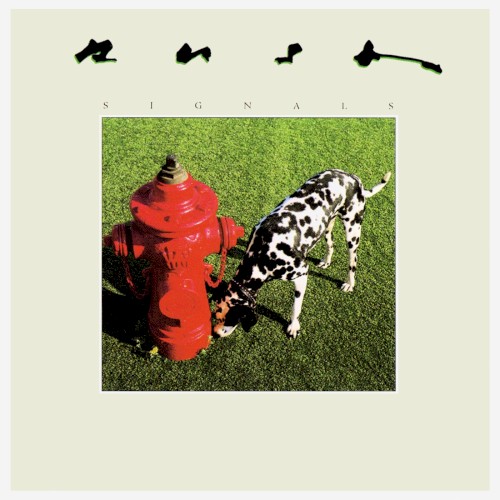
Album Information Section
Album Title: Signals
Artist: Rush
Original Release Date: September 10, 1982
Label: Unknown Label
Genres: Progressive Rock, Synth-pop
Track Listing:
- 1. Subdivisions (5:35)
- 2. The Analog Kid (4:48)
- 3. Chemistry (4:58)
- 4. Digital Man (6:22)
- 5. The Weapon (6:24)
- 6. New World Man (3:43)
- 7. Losing It (4:54)
- 8. Countdown (5:52)
Recording Information
“Signals” was recorded at Le Studio in Morin Heights, Quebec, Canada. This renowned studio was known for its picturesque setting and was a favored location for many artists during the late 20th century. The recording sessions took place primarily in 1982, where the band aimed to capture a sound that blended their progressive rock roots with emerging new wave influences.
The album was produced by Rush in collaboration with Terry Brown, who had been a long-time producer for the band. Brown’s approach during the recording focused on integrating synthesizers and electronic elements, which were becoming increasingly popular in rock music at the time. The album featured state-of-the-art recording techniques, including the use of synthesizers like the Oberheim OB-Xa and the Yamaha CS-80, which helped shape the album’s distinctive sound.
A notable aspect of the production was the band’s experimentation with layered vocal harmonies and dynamic arrangements, which added depth to their sound. The recording process was marked by a sense of evolution for Rush, as they transitioned into a more accessible style while retaining their complex musical structures.
Band Context
At the time of “Signals,” Rush was experiencing a significant transformation in their musical direction. Following the success of their previous albums, including “Moving Pictures,” the band was at a crossroads, grappling with the balance between their progressive rock legacy and the emerging trends in music, particularly the rise of electronic and synth-driven sounds. The lineup during this period consisted of Geddy Lee (vocals, bass, keyboards), Alex Lifeson (guitars), and Neil Peart (drums, lyrics), who continued to collaborate closely and push creative boundaries.
Prior to the release of “Signals,” Rush had established themselves as a leading force in rock music, known for their intricate compositions and thought-provoking lyrics. However, they began to notice a shift in their audience’s preferences, prompting them to explore new musical territories. This exploration led to the incorporation of synthesizers and a more polished production style, which would characterize this album and the subsequent ones.
During the recording of “Signals,” the band also faced personal challenges, including the pressures of fame and the expectations set by their previous successes. This environment fostered a renewed sense of creativity, resulting in some of their most iconic songs to date.
Track Commentary
The opening track, “Subdivisions,” serves as a poignant commentary on the isolation and conformity of suburban life, encapsulating the themes of alienation that permeate the album. Its synthesizer-driven sound, combined with a powerful drum beat, sets the tone for the exploration of modern life throughout the album.
“The Analog Kid” follows with a more energetic vibe, showcasing Rush’s ability to blend rock with electronic elements seamlessly. The track’s engaging melodies and lyrical exploration of youth and nostalgia highlight the band’s lyrical depth. “Chemistry” continues this trend, featuring complex time signatures and a catchy chorus, while “Digital Man” delves into the themes of technology and identity in the modern age.
The standout track, “New World Man,” became one of Rush’s most commercially successful singles, reaching significant chart positions and receiving widespread airplay. Its accessible structure and catchy hooks marked a departure from their more complex earlier works, demonstrating their ability to adapt while remaining true to their artistry.
Overall, “Signals” is a significant entry in Rush’s discography, marking a pivotal moment in their evolution as artists. Its blend of progressive rock and synth-pop elements not only resonated with audiences at the time but also influenced countless musicians in the years that followed. The album’s legacy continues to endure, with its themes and innovative sound remaining relevant in contemporary music discussions.
