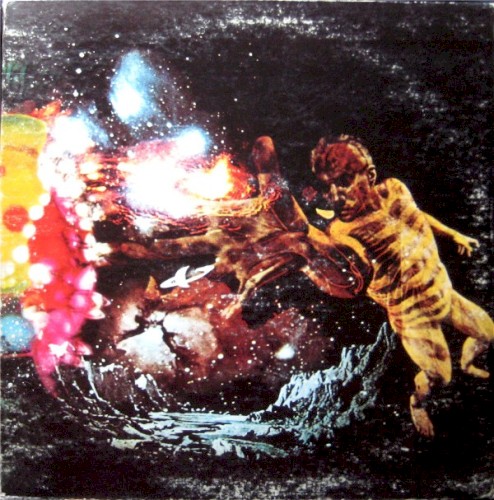
Album Information Section
Album Title: Santana III
Artist: Santana
Original Release Date: September 1971
Label: Legacy
Genres: Rock, Latin Rock, Jazz Fusion
Track Listing:
- 1. Batuka (3:35)
- 2. No One to Depend On (5:31)
- 3. Taboo (5:34)
- 4. Toussaint L’Overture (5:58)
- 5. Everybody’s Everything (3:33)
- 6. Guajira (5:45)
- 7. Jungle Strut (5:23)
- 8. Everything’s Coming Our Way (3:15)
- 9. Para los rumberos (2:52)
- 10. Gumbo (4:25)
- 11. Folsom Street – One (7:10)
- 12. Banbeye (10:23)
- 13. No One to Depend On (single version) (3:16)
- 1. Batuka (3:47)
- 2. No One to Depend On (5:29)
- 3. Toussaint L’Overture (6:10)
- 4. Taboo (5:10)
- 5. Jungle Strut (5:48)
- 6. Black Magic Woman / Gypsy Queen (6:15)
- 7. Incident at Neshabur (5:28)
- 8. In a Silent Way (6:55)
- 9. Savor (3:35)
- 10. Para los rumberos (3:41)
- 11. Gumbo (5:31)
Recording Information
Santana III was recorded at the historic Wally Heider Studios in San Francisco, California. The album sessions took place in 1971, amidst a vibrant and transformative period in music history. Produced by the band alongside renowned producer and engineer, Fred Catero, the album was notable for its innovative blend of rock, jazz, and Latin rhythms, showcasing the group’s signature sound.
One of the standout recording techniques involved the use of multi-tracking, which allowed the band to layer their instrumentation effectively, creating a rich tapestry of sound. The use of percussion instruments, including congas and timbales, played a significant role in defining the album’s Latin-rock fusion. Catero’s expertise in blending different genres helped to highlight the band’s musical versatility.
Interestingly, the recording sessions were marked by a sense of urgency and creativity, as the band had just come off the success of their previous albums and sought to capitalize on their momentum. This energy is palpable in the final product, which has been praised for its dynamic structures and intricate arrangements.
Band Context
By the time of the release of Santana III, the band Santana had already made a significant impact on the music scene with their debut album in 1969 and the commercially successful Abraxas in 1970. The band’s lineup during this period included Carlos Santana (guitar, vocals), Gregg Rolie (keyboards, vocals), David Brown (bass), Michael Carabello (percussion), and Michael Shrieve (drums). Each member brought their unique influences, contributing to the eclectic sound that characterized the group.
Leading up to the release of Santana III, the band had experienced a rapid rise in popularity, fueled by their electrifying performances at major festivals, including Woodstock and the Fillmore. However, this success also brought challenges, including personal conflicts and shifts in creative direction. Despite these struggles, the band managed to channel their collective experiences into crafting an album that resonated deeply with both critics and fans.
Santana III marked a turning point for the band, as it was the last album to feature this particular lineup before the eventual departures and changes that would follow. The album captured the essence of the band at a pivotal moment, showcasing their ability to innovate while remaining true to their roots.
Track Commentary
The album opens with “Batuka,” a powerful instrumental piece that sets the tone for the vibrant fusion of rock and Latin influences that permeates the record. Following this, “No One to Depend On” delivers a poignant lyrical narrative, showcasing Carlos Santana’s signature guitar work and Gregg Rolie’s soulful vocals.
Tracks like “Taboo” and “Toussaint L’Overture” are instrumental highlights, featuring intricate arrangements and showcasing the band’s exceptional musicianship. The former embraces a rhythmic complexity that invites listeners to engage with its hypnotic grooves, while the latter pays homage to the Caribbean influences that shaped much of Santana’s sound.
“Everybody’s Everything” and “Guajira” continue to explore themes of love and cultural identity, with “Guajira” particularly standing out for its infectious rhythm and danceable quality. The album also includes the dynamic “Black Magic Woman / Gypsy Queen,” a reimagining of the classic that has since become a staple in Santana’s live performances.
The critical reception of Santana III was largely positive, with many praising the band’s ability to blend various musical styles seamlessly. Over the years, tracks like “No One to Depend On” and “Toussaint L’Overture” have solidified their place in the legacy of Santana, often cited as quintessential examples of Latin rock. The album remains a significant milestone in the band’s discography and a testament to their artistic evolution during a transformative era in music history.
