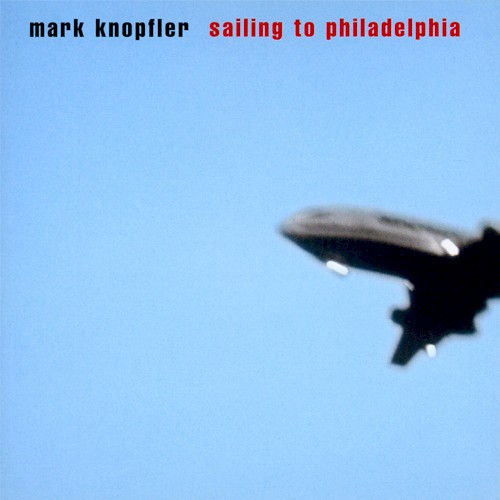
Album Information Section
Album Title: Sailing to Philadelphia
Artist: Mark Knopfler
Original Release Date: September 15, 2000
Label: Warner Bros. Records
Genres: Rock, Folk Rock, Country Rock
Track Listing:
- 1. What It Is (4:58)
- 2. Sailing to Philadelphia (5:30)
- 3. Who’s Your Baby Now (3:06)
- 4. Baloney Again (5:10)
- 5. The Last Laugh (3:22)
- 6. Do America (4:12)
- 7. El Macho (5:29)
- 8. Prairie Wedding (4:27)
- 9. Wanderlust (3:53)
- 10. Speedway at Nazareth (6:22)
- 11. Junkie Doll (4:35)
- 12. Silvertown Blues (5:30)
- 13. Sands of Nevada (3:57)
Recording Information
“Sailing to Philadelphia” was recorded at the renowned British Grove Studios in London, a facility co-owned by Mark Knopfler himself, which opened in 2004 but was preceded by earlier sessions in other studios. The recording sessions took place primarily in 2000, leading up to the album’s release in September of that year. The album was produced by Knopfler and featured engineering by Guy Fletcher, who has collaborated with him extensively over the years.
Notable recording techniques included the use of vintage equipment, reflecting Knopfler’s preference for a warm, organic sound. The album was characterized by its blend of acoustic and electric instrumentation, a hallmark of Knopfler’s style. Anecdotes from the recording sessions suggest a relaxed atmosphere, where creativity thrived, allowing for the spontaneous addition of elements that gave the album its distinct character.
Band Context
At the time of “Sailing to Philadelphia,” Mark Knopfler was enjoying a successful solo career following his tenure as the frontman of Dire Straits. The late 1990s had seen Knopfler increasingly explore his solo artistic identity, with his previous album, “Get Lucky,” released in 2001. This period marked a significant shift for Knopfler, as he moved away from the mainstream rock sound of Dire Straits and embraced a more nuanced, storytelling style reflective of folk and country influences.
Knopfler was supported by a talented group of musicians on this album, including his longtime collaborator Guy Fletcher on keyboards and backing vocals, and other notable contributors like James Taylor, who provided vocals on the title track. The collaboration with Taylor was particularly significant, showcasing Knopfler’s ability to bring together diverse talents in the music industry.
Before the recording of this album, Knopfler was also involved in various projects and film scores, which influenced the songwriting and thematic development of “Sailing to Philadelphia.” The album’s title track, a duet with Taylor, captures the essence of American history and exploration, reflecting Knopfler’s fascination with storytelling through music.
Track Commentary
The album opens with the lively “What It Is,” an engaging track that sets the tone with its catchy melody and narrative lyrics. This is followed by the title track, “Sailing to Philadelphia,” which stands out as a profound exploration of the American experience. The interplay between Knopfler’s guitar and Taylor’s vocals creates a rich soundscape that resonates deeply with listeners.
Tracks like “Who’s Your Baby Now” and “Baloney Again” delve into themes of love and humor, showcasing Knopfler’s lyrical wit. “The Last Laugh” and “Do America” continue the exploration of personal and societal themes, employing a blend of rock and folk instrumentation that is characteristic of Knopfler’s style.
Standout tracks such as “Speedway at Nazareth” demonstrate Knopfler’s ability to weave storytelling into his music, drawing inspiration from American culture and history. The song’s narrative focuses on the world of motorsport, reflecting Knopfler’s love for the subject and his knack for creating vivid imagery through song.
Critically, “Sailing to Philadelphia” received positive reviews, with many praising its lyrical depth and musical diversity. The album has since become a significant part of Knopfler’s discography, appreciated for its heartfelt themes and masterful musicianship. The legacy of this album continues to resonate with fans, solidifying Mark Knopfler’s status as a formidable solo artist in the music industry.
