Album Information Section
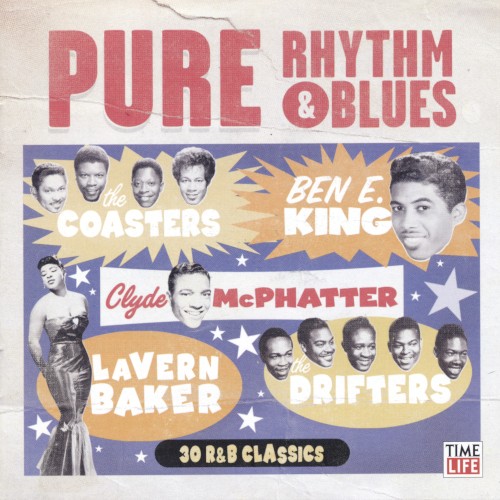
Album Title: Pure Rhythm Blues: What’d I Say
Artist: Various Artists
Original Release Date: 2010
Label: Time-Life
Genres: Rhythm and Blues, Soul, Rock and Roll
Track Listing:
- 1. What’d I Say (Parts 1 & 2) (5:08)
- 2. A Lover’s Question (2:34)
- 3. Jim Dandy (2:13)
- 4. Do You Wanna Dance (2:36)
- 5. Doggin’ Around (2:42)
- 6. Fannie Mae (2:59)
- 7. Save the Last Dance for Me (2:31)
- 8. I Need Your Loving (2:57)
- 9. Mr. Lee (2:15)
- 10. You Talk Too Much (2:32)
- 11. Speedoo (2:21)
- 12. Maybe (2:51)
- 13. Searchin’ (2:41)
- 14. Why Do Fools Fall in Love (2:21)
- 15. What Am I Living For (2:27)
- 16. Yakety Yak (1:52)
- 17. I Like It Like That, Part 1 (1:57)
- 18. Stand by Me (3:01)
- 19. I Only Have Eyes for You (3:24)
- 20. So Fine (2:21)
- 21. Treasure of Love (2:11)
- 22. Stay (1:38)
- 23. C.C. Rider (2:36)
- 24. Drown in My Own Tears (3:23)
- 25. I Cried a Tear (2:36)
- 26. I Know (You Don’t Love Me No More) (2:25)
- 27. Tears on My Pillow (2:17)
- 28. Since I Met You Baby (2:51)
- 29. There Goes My Baby (2:11)
- 30. Earth Angel (Will You Be Mine) (2:54)
Recording Information
The album “Pure Rhythm Blues: What’d I Say” was compiled and released by Time-Life in 2010 as a part of their extensive catalog that celebrates the rich heritage of rhythm and blues music. While specific studio details for this compilation are not widely documented, the tracks featured were originally recorded in various studios across the United States during the 1950s and 1960s, a golden period for R&B and rock and roll music. Many of the original recordings were produced using analog tape machines, which were known for their warmth and depth, contributing to the timeless sound characteristic of the era.
Producers for many of the tracks included influential figures such as Jerry Wexler and Ahmet Ertegun, who were pivotal in shaping the sound of Atlantic Records, and others like Sam Phillips of Sun Records. The engineering techniques employed during these sessions often included live band recordings with minimal overdubbing, capturing the raw energy and spontaneity of the artists.
Notably, “What’d I Say,” the album’s titular track recorded by Ray Charles, features a groundbreaking blend of gospel and rhythm and blues elements, showcasing Charles’ innovative approach to music that would influence countless artists to follow.
Band Context
This compilation features a diverse lineup of artists, each representative of the rhythm and blues genre. At the time of the original recordings, many of the artists included in this collection were experiencing significant moments in their careers. For instance, Ray Charles was at the forefront of the R&B movement, having achieved massive success with his unique style that blended gospel, blues, and jazz. Similarly, artists like The Drifters and The Five Satins were redefining vocal harmony and doo-wop, reaching new heights in popularity.
During this period, the music industry was undergoing a transformation, with the advent of rock and roll challenging traditional pop music. The artists featured in “Pure Rhythm Blues: What’d I Say” were instrumental in this shift, often blending genres and expanding the boundaries of popular music. The album captures not only the music but also the cultural zeitgeist of an era marked by social change and musical innovation.
Track Commentary
The album opens with the iconic “What’d I Say,” a track that remains one of Ray Charles’ most celebrated works. Its infectious rhythm and call-and-response structure set the tone for the collection. Following this are tracks like “A Lover’s Question” by Clyde McPhatter and “Do You Wanna Dance” by Bobby Freeman, which highlight the emotional depth and vibrant energy of the genre.
Through the course of the album, listeners encounter a variety of styles and themes, from the playful exuberance of “Yakety Yak” by The Coasters to the poignant melancholy of “Drown in My Own Tears” by Ray Charles. Each track serves as a testament to the artistry and creativity of the original performers. Notably, songs such as “Stand by Me” and “Earth Angel” have transcended their initial popularity, becoming timeless classics that resonate across generations.
The critical reception of the individual tracks has been overwhelmingly positive, with many being lauded for their innovative arrangements and emotional resonance. The album as a whole serves as a comprehensive survey of rhythm and blues, highlighting the genre’s rich tapestry and enduring legacy in American music history. Through this collection, Time-Life has successfully curated a snapshot of a transformative period in music, inviting both new listeners and longtime fans to appreciate the artistry that defined an era.
