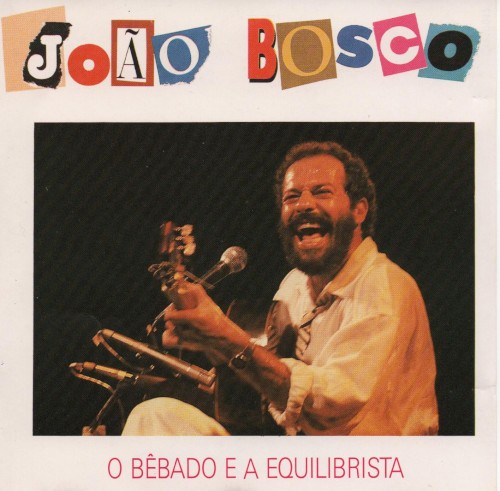
Album Information Section
Album Title: O bêbado e a equilibrista
Artist: João Bosco
Original Release Date: 1989
Label: BMG Brasil Ltda.
Genres: MPB (Música Popular Brasileira), Samba
Track Listing:
- 1. O bêbado e a equilibrista (3:22)
- 2. Miss Sueter (3:18)
- 3. O mestre-sala dos mares (3:08)
- 4. Cabaré (3:06)
- 5. Caça à raposa (2:57)
- 6. Bala com bala (2:21)
- 7. Latin Lover (2:00)
- 8. Dois pra lá, dois pra cá (2:46)
- 9. De frente pro crime (2:13)
- 10. Falso brilhante (2:30)
- 11. Kid Cavaquinho (3:00)
- 12. Agnus sei (5:24)
- 13. O rancho da goiabada (4:07)
- 14. Bijuterias (2:01)
- 15. O caçador de esmeraldas (4:19)
Recording Information
The album “O bêbado e a equilibrista” was recorded at Estúdio Transamérica, located in São Paulo, Brazil. The recording sessions took place during 1989, a year that marked a significant phase of artistic exploration for João Bosco.
The album was produced by João Bosco himself along with the renowned producer and musician, Sacha Amback, who played a crucial role in shaping the sound of the record. The engineering was handled by high-caliber professionals known for their work in Brazilian music. Notably, the recording utilized analog equipment, giving the album a warm, organic sound that resonates well with the traditional roots of MPB.
One interesting story from the production of the album involves the collaboration with various talented musicians who contributed to the instrumentation. The blending of traditional Brazilian rhythms with contemporary sounds was a hallmark of João Bosco’s approach during this period, showcasing his commitment to innovation while honoring his musical heritage.
Band Context
At the time of the album’s release, João Bosco was already an established figure in the Brazilian music scene, known for his unique blend of samba, bossa nova, and MPB. His career had been steadily rising since the 1970s, and by the late 1980s, he had developed a loyal fan base and critical acclaim for his songwriting and performances.
During this period, Bosco was performing regularly and had released several albums that solidified his reputation as a musician committed to social issues and the experience of Brazilian life. The lineup during the recording of “O bêbado e a equilibrista” showcased Bosco’s versatility, featuring accomplished musicians who contributed diverse instrumental backgrounds, enriching the album’s texture.
The late 1980s was also a time of political transition in Brazil, with the end of the military dictatorship leading to a flourishing of artistic expression. This environment influenced many artists, including Bosco, as they began to explore themes of freedom, identity, and social justice in their music.
Track Commentary
The title track, “O bêbado e a equilibrista,” stands out as a poignant commentary on the human condition, interweaving themes of love, loss, and resilience. Its melodic structure and lyrical depth have made it a classic in Brazilian music, often celebrated for its poetic imagery.
Other notable tracks include “Miss Sueter,” which showcases a playful rhythm and clever lyrics, and “O mestre-sala dos mares,” a homage to the rich cultural heritage of Brazil’s maritime history. The album also features “Agnus sei,” a longer piece that explores spiritual themes with an intricate arrangement, revealing Bosco’s ability to blend various influences into a cohesive work.
Tracks like “Cabaré” and “Falso brilhante” highlight the samba influences that permeate the album, while “Kid Cavaquinho” pays tribute to traditional Brazilian instruments and their significance in the music. Each track offers listeners a glimpse into the artistic landscape of Brazil during this vibrant period.
Overall, “O bêbado e a equilibrista” has not only received critical acclaim but also left a lasting legacy in Brazilian music. The album is often cited as one of João Bosco’s most significant works, representing a masterful fusion of lyrical depth and musical innovation that continues to resonate with audiences today.
