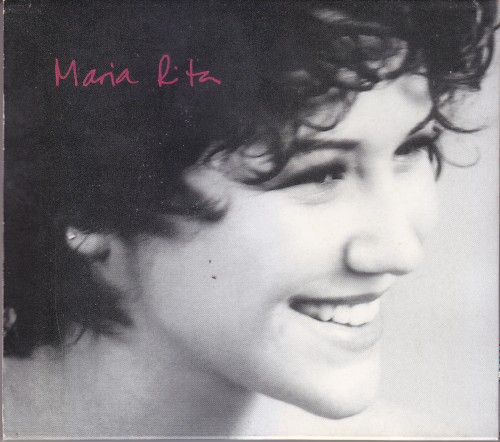
Album Information Section
Title: Maria Rita
Artist: Maria Rita
Original Release Date: September 2003
Label: WEA Music
Genres: MPB (Música Popular Brasileira), Samba
Track Listing
- 1. A festa (4:28)
- 2. Agora só falta você (3:24)
- 3. Menininha do portão (3:30)
- 4. Não vale a pena (5:08)
- 5. Dos gardenias (4:35)
- 6. Cara valente (4:51)
- 7. Santa chuva (3:57)
- 8. Menina da Lua (5:37)
- 9. Encontros e despedidas (4:02)
- 10. Pagu (3:52)
- 11. Lavadeira do rio (3:21)
- 12. Veja bem meu bem (3:10)
- 13. Cupido (5:05)
- 14. Vero (4:41)
- 15. Estrela, Estrela (3:53)
Recording Information
The album “Maria Rita” was recorded at the renowned Estúdio Transamérica in São Paulo, Brazil. The recording sessions took place primarily in 2003, during a vibrant period in Brazilian music. Maria Rita collaborated with esteemed producer and arranger, Alê Siqueira, who brought a wealth of experience from the Brazilian music scene, having worked with various influential artists.
The album utilized a blend of traditional and modern recording techniques, often incorporating live instrumentation with digital enhancements to capture the essence of Brazilian music while appealing to contemporary audiences. Notable recording equipment included high-quality analog microphones and mixing consoles to ensure warmth and authenticity in the sound. The production was marked by an emphasis on vocal clarity, allowing Maria Rita’s expressive voice to shine throughout the tracks.
One interesting production note is that Maria Rita drew inspiration from her family’s musical legacy, particularly her mother, the legendary Elis Regina, which infused the album with a rich emotional depth and authenticity that resonated with listeners.
Band Context
At the time of the album’s release, Maria Rita was emerging as a prominent figure in the Brazilian music scene. She was the daughter of the iconic singer Elis Regina and the musician César Camargo Mariano, which placed her in a unique position within the cultural landscape of Brazil. Her debut album solidified her reputation as a talented vocalist and songwriter, capturing the hearts of fans both in Brazil and abroad.
The lineup for this album primarily featured Maria Rita, with contributions from a talented ensemble of musicians that included acclaimed instrumentalists and arrangers who were well-versed in Brazilian musical traditions. The success of the self-titled album marked a turning point in her career, leading to various awards and recognition within the industry, including the prestigious Latin Grammy Awards.
Before the release of “Maria Rita,” she had been honing her craft in live performances and smaller projects, gradually building a loyal fan base. The self-titled album quickly became a commercial success, paving the way for an illustrious career and establishing her as a leading voice in MPB.
Track Commentary
The album opens with “A festa,” a lively track that sets the tone for the celebration of Brazilian culture and music. This track, along with others like “Agora só falta você” and “Menininha do portão,” showcases the samba influences that are central to Maria Rita’s style. The themes of love and nostalgia are prevalent throughout the album, with songs such as “Não vale a pena” and “Cupido” exploring the complexities of relationships.
Notably, “Encontros e despedidas” stands out as a poignant reflection on the transient nature of love and connection, earning critical acclaim for its lyrical depth and Maria Rita’s emotive vocal delivery. The track “Pagu,” which pays homage to the Brazilian writer Patrícia Galvão, further exemplifies her ability to weave cultural references into her music, making it resonate on multiple levels.
The closing track, “Estrela, Estrela,” encapsulates the album’s essence, combining lyrical beauty with a rich musical tapestry that leaves listeners with a lasting impression. Overall, “Maria Rita” received widespread acclaim for its artistic integrity and emotional resonance, solidifying Maria Rita’s position as a significant contemporary artist in the realm of Brazilian music. The album continues to be celebrated for its contributions to MPB and serves as a testament to the enduring legacy of Brazilian musical traditions.
