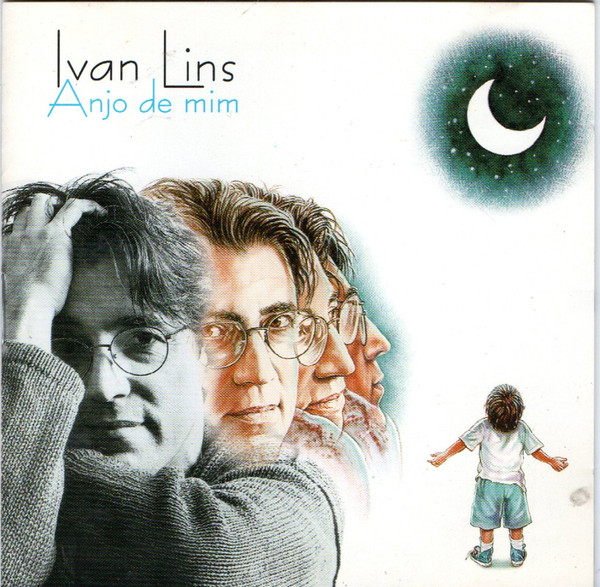
Album Information Section
Album Title: Anjo de mim
Artist: Ivan Lins
Original Release Date: 2003
Label: Velas
Track Listing:
- 1. Anjo de mim (5:21)
- 2. Menino (4:54)
- 3. Saudades de casa (3:55)
- 4. Pra alegrar coração de moça (4:21)
- 5. É de Deus (4:14)
- 6. Lembra de mim (4:21)
- 7. Camaleão (4:06)
- 8. Te amo (3:27)
- 9. Desde que o samba é samba (4:31)
- 10. Noturna (3:54)
- 11. Vinte anos blues (3:08)
- 12. Bonito (3:59)
- 13. Será possível (2:42)
- 14. Bom vai ser (5:31)
Recording Information
“Anjo de mim” was recorded at the renowned Estúdio Transamérica in São Paulo, Brazil, a studio known for its high-quality sound and acoustic design, which has hosted many prominent Brazilian artists. The recording sessions took place in 2003, the same year the album was released, reflecting a vibrant and prolific period for Ivan Lins. The album was produced by Lins himself alongside engineer and collaborator Eumir Deodato, who is celebrated for his work in both classical and contemporary genres.
Notably, the production of “Anjo de mim” involved advanced recording techniques that captured the intricate arrangements and the emotional depth of Lins’ compositions. The use of analog equipment combined with digital technology allowed for a rich sound palette, which is evident in the lush instrumentation throughout the album.
An interesting production note is that Lins sought to blend traditional Brazilian music styles with contemporary influences, resulting in an album that resonates with both nostalgia and modernity. This fusion is a hallmark of Lins’ artistry and was particularly evident during the recording sessions, where spontaneous arrangements were often created on the spot.
Band Context
At the time of “Anjo de mim,” Ivan Lins was already an established figure in Brazilian music, having gained international recognition since the 1970s for his innovative compositions and emotive performances. Lins, a master of Brazilian popular music, had a significant impact on the genre, influencing countless artists with his sophisticated melodies and poignant lyrics. Before the release of this album, Lins had been active in various musical projects, including collaborations with international artists and contributions to soundtracks.
The lineup for this album primarily featured Lins’ band, which included renowned musicians who have been instrumental in his sound. The cohesive nature of the band during this time allowed Lins to explore new musical territories while maintaining his signature style. While there were no drastic changes in the band structure leading up to the release, it was a time of artistic evolution for Lins, who was keen to experiment with new sounds and lyrical themes.
Track Commentary
The album opens with the title track, “Anjo de mim,” a heartfelt ode that showcases Lins’ powerful vocal delivery and lyrical depth. The song’s intricate piano arrangement sets the tone for the rest of the album, blending jazz and bossa nova influences seamlessly. Following this, “Menino” and “Saudades de casa” continue the emotional journey, reflecting themes of nostalgia and longing, which are prevalent throughout the album.
Tracks like “Pra alegrar coração de moça” and “É de Deus” highlight Lins’ ability to create uplifting melodies that resonate with listeners. The enchanting “Te amo” stands out as a romantic ballad that remains a favorite among fans, encapsulating the essence of love in a beautifully crafted musical form. The inclusion of “Desde que o samba é samba” pays homage to the samba genre, showcasing Lins’ roots while celebrating its rich cultural heritage.
The album’s later tracks, such as “Noturna” and “Vinte anos blues,” delve into introspective themes, combining elements of blues with Brazilian rhythms. “Bom vai ser” closes the album on an optimistic note, reinforcing Lins’ message of hope and resilience. Overall, “Anjo de mim” received critical acclaim for its artistry, with many reviewers praising Lins’ songwriting and the album’s production quality. Its legacy continues as a defining work in Lins’ discography, showcasing his evolution as an artist while remaining true to his musical roots.
