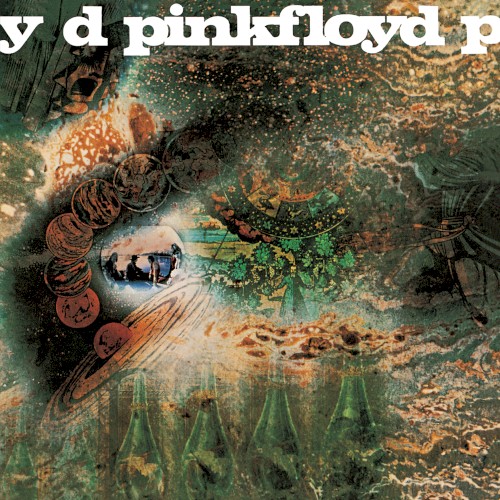
Album Information Section
Album Title: A Saucerful of Secrets
Artist: Pink Floyd
Original Release Date: 1968-06-29
Label: Unknown Label
Track Listing:
- 1. Let There Be More Light (5:38)
- 2. Remember a Day (4:32)
- 3. Set the Controls for the Heart of the Sun (5:27)
- 4. Corporal Clegg (4:12)
- 5. A Saucerful of Secrets (11:56)
- 6. See Saw (4:36)
- 7. Jugband Blues (3:00)
Recording Information
The album “A Saucerful of Secrets” was recorded at Abbey Road Studios in London, a location that would become synonymous with the Beatles and later, Pink Floyd themselves. The recording sessions took place primarily in 1968, a pivotal year for the band as they were transitioning from their early psychedelic sound toward a more progressive and experimental approach.
The production of this album was led by the band’s original frontman Syd Barrett alongside producer Norman Smith, who worked closely with the band to capture their innovative sound. The engineering was done at Abbey Road, utilizing cutting-edge techniques for the time, including multi-track recording and various effects that would later become hallmarks of the progressive rock genre.
Notably, the production of “A Saucerful of Secrets” was marred by Barrett’s deteriorating mental health, which affected both the recording process and the band’s dynamics. As Barrett’s contributions became increasingly sporadic, the remaining members—particularly David Gilmour and Roger Waters—began to take a more prominent role in songwriting and arrangement.
Band Context
At the time of “A Saucerful of Secrets,” Pink Floyd was navigating a period of significant change. The band had found initial success in the UK psychedelic scene, largely thanks to their debut album “The Piper at the Gates of Dawn.” However, as Syd Barrett’s mental health waned due to excessive drug use, the band faced challenges that would ultimately lead to his departure from the group shortly after this album’s release.
The lineup during the recording of this album included Syd Barrett, Roger Waters, David Gilmour, Richard Wright, and Nick Mason. Each member played a crucial role in shaping the sound of the album, even as they began to adjust to the realities of Barrett’s declining contributions. Following the release, Gilmour became more influential in the band’s creative direction, leading to a more cohesive and expansive sound that would define their subsequent works.
During this transitional phase, Pink Floyd was also impacted by the broader cultural movements of the late 1960s, including the counterculture and the rise of progressive rock, which encouraged experimentation and the exploration of new musical terrains.
Track Commentary
The tracks on “A Saucerful of Secrets” illustrate the band’s eclectic influences and their evolving sound. The album opens with “Let There Be More Light,” a vibrant piece that showcases Gilmour’s guitar work and establishes a cosmic, otherworldly atmosphere. “Remember a Day,” featuring Wright’s poignant vocals, is a nostalgic reflection that highlights the band’s lyrical maturity.
“Set the Controls for the Heart of the Sun” has become one of Pink Floyd’s most iconic tracks, noted for its haunting lyrics and hypnotic rhythm, which embodies the band’s move toward more complex musical structures. Meanwhile, “Corporal Clegg” introduces a lighter, almost whimsical tone, yet it also hints at the serious themes of war and loss, showcasing Waters’ growing prowess as a lyricist.
The title track, “A Saucerful of Secrets,” is a nearly twelve-minute epic that serves as a centerpiece for the album, blending experimental sounds with orchestral elements, demonstrating the band’s willingness to push boundaries. “See Saw” provides a softer contrast, while “Jugband Blues,” Barrett’s final contribution to the band, poignantly reflects his mental state and serves as a farewell to his role in Pink Floyd.
Overall, “A Saucerful of Secrets” received a mixed critical reception upon its release, but it has since been re-evaluated as a significant work in the band’s discography. It marks a crucial transitional phase for Pink Floyd, laying the groundwork for their later masterpieces and solidifying their place in the annals of rock history. The album’s legacy continues to resonate, as its innovative sound and themes remain relevant to both fans and musicians alike.
