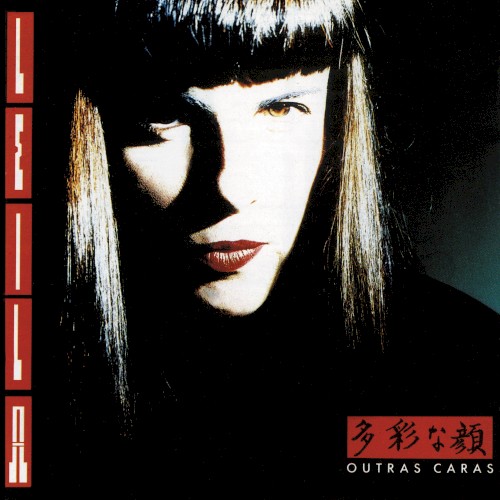
Album Information Section
Album Title: Outras Caras
Artist: Leila Pinheiro
Original Release Date: 1991
Label: Unknown Label
Genres: MPB (Música Popular Brasileira), Brazilian Pop
- 1. Esconjuro (3:27)
- 2. Errinho à toa (3:10)
- 3. Serra do luar / Coração tranquilo (4:11)
- 4. Bom humor (4:18)
- 5. Dona de castelo (4:05)
- 6. Movimenti dos barcos / Feliz ano novo (4:52)
- 7. Call Me (É sò Chamar) (3:40)
- 8. Cenas de um amor (Tendrement) (3:25)
- 9. Paulista (3:39)
- 10. Noturna (4:07)
- 11. Coração vagabundo (3:08)
- 12. Bom dia Belém (5:14)
- 13. Vós sois o lírio mimoso / Eu quero é ser amada (3:00)
Recording Information
The album “Outras Caras” was recorded at the renowned Estúdio Transamérica in São Paulo, Brazil, a studio known for its advanced recording techniques during the early ’90s. The recording sessions took place in 1991, coinciding with a period of significant musical exploration in Brazilian music. The album was produced by Leila Pinheiro herself, showcasing her artistic vision and deep understanding of the music she was creating. The engineering was handled by a team that included notable figures in the Brazilian music scene, although specific names remain largely uncredited.
During the recording of “Outras Caras,” Pinheiro utilized a blend of traditional and modern recording techniques. The use of analog equipment combined with digital technology allowed for a rich sound that was both warm and contemporary. Notably, the production sought to capture the essence of Brazilian rhythms while integrating elements from other genres, which would become a hallmark of Pinheiro’s style.
Band Context
At the time of “Outras Caras,” Leila Pinheiro was already an established figure in the Brazilian music scene, having gained recognition in the late 1980s for her unique blend of MPB and pop. Born in 1961 in Belém do Pará, she had developed a distinctive voice and style that resonated with audiences across Brazil. This album came after her previous works, which laid a solid foundation for her artistic expression.
During this period, Pinheiro was navigating the complexities of fame and artistic integrity. She was known for her ability to convey deep emotions through her music, and “Outras Caras” further solidified her place in the Brazilian music landscape. The album featured a range of musicians, although specific lineup details are less documented. The project marked a transition for Pinheiro, as she aimed to explore new musical territories while remaining true to her roots.
Significantly, this album was released in a time when Brazil was experiencing cultural changes, with music reflecting the evolving social landscape. Pinheiro’s work during this period often touched on themes of love, identity, and the Brazilian experience, which resonated widely with her audience.
Track Commentary
The tracks on “Outras Caras” reflect a rich tapestry of musical influences, showcasing Leila Pinheiro’s versatility as both a vocalist and songwriter. The opening track, “Esconjuro,” sets the tone with its haunting melody and introspective lyrics, immediately drawing listeners into Pinheiro’s world. “Errinho à toa,” a lighter, more playful piece, contrasts with the emotional depth of the preceding track, demonstrating her ability to shift moods seamlessly.
Notable tracks include “Serra do luar / Coração tranquilo,” which combines lush instrumentation with poignant lyrics, making it a standout moment on the album. Similarly, “Dona de castelo” and “Movimenti dos barcos / Feliz ano novo” showcase her knack for storytelling, intertwining personal narratives with broader cultural themes. The inclusion of “Call Me (É sò Chamar)” introduces a more contemporary pop sound, appealing to a diverse audience and highlighting her adaptability.
The final track, “Vós sois o lírio mimoso / Eu quero é ser amada,” encapsulates the essence of “Outras Caras,” blending poetic lyrics with an emotive vocal delivery, leaving listeners with a lasting impression. Overall, “Outras Caras” received critical acclaim for its production quality and lyrical depth, solidifying Leila Pinheiro’s legacy as a significant artist in Brazilian music history. The album remains a testament to her artistry and continues to resonate with fans today, reflecting the rich cultural fabric of Brazil during the early ’90s.
