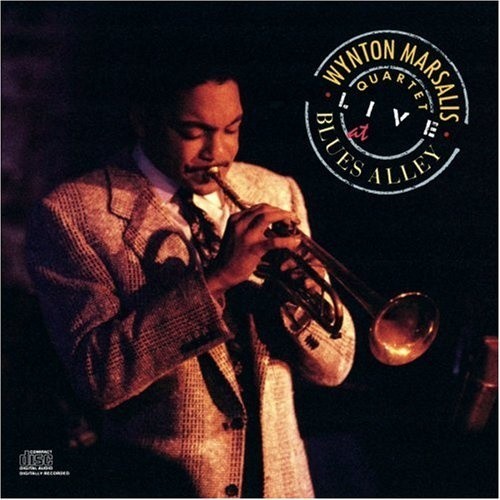
Album Information Section
Album Title: Live at Blues Alley
Artist: Wynton Marsalis Quartet
Original Release Date: June 21, 1988
Label: Columbia
Genres: Jazz
Track Listing:
- 1. Knozz-Moe-King (6:03)
- 2. Just Friends (8:22)
- 3. Knozz-Moe-King (Interlude) (3:53)
- 4. Juan (7:33)
- 5. Cherokee (2:51)
- 6. Delfeayo’s Dilemma (9:21)
- 7. Chambers of Tain (15:12)
- 8. Juan (E Mustaad) (2:56)
- 1. Au Privave (14:36)
- 2. Knozz-Moe-King (Interlude) (2:38)
- 3. Do You Know What It Means to Miss New Orleans (11:31)
- 4. Juan (Skip Mustaad) (3:15)
- 5. Autumn Leaves (9:42)
- 6. Knozz-Moe-King (Interlude) (3:48)
- 7. Skain’s Domain (9:40)
- 8. Much Later (6:16)
Recording Information
Live at Blues Alley was recorded at the esteemed Blues Alley venue located in Georgetown, Washington, D.C. The recording took place over a few nights in 1987, capturing the intimate and vibrant atmosphere of live jazz performance. The album was produced by Wynton Marsalis himself alongside renowned producer George Butler. The engineering was handled by the highly skilled team at Columbia Records, although specific engineers are not frequently cited for live recordings of this nature.
The album employs a combination of traditional and contemporary recording techniques, which allows the rich tonal qualities of the instruments to shine through. Notable for its immersive sound, the recordings convey the energy of the live audience, enhancing the overall listening experience. An interesting note regarding the production is the decision to include multiple interpretations of the same tracks, showcasing different moods and styles across the set.
Band Context
At the time of the release of Live at Blues Alley, Wynton Marsalis was already a prominent figure in the jazz world, having gained acclaim for his virtuosic trumpet playing and his dedication to preserving the jazz tradition. The quartet featured Marsalis on trumpet, along with pianist Marcus Roberts, bassist Reginald Veal, and drummer Jeff “Tain” Watts. This lineup was particularly significant, as it represented a blend of established and emerging talents within the jazz community.
Prior to the recording of this album, Marsalis was at the forefront of a jazz renaissance, actively championing the genre’s rich history while also pushing its boundaries. In the years leading up to this performance, he had released several acclaimed albums and won numerous awards, including Grammy Awards. The performances captured on Live at Blues Alley are a testament to the camaraderie and musical synergy that existed within the quartet during this vibrant period in Marsalis’ career.
Track Commentary
The album kicks off with “Knozz-Moe-King,” setting the stage for an exhilarating performance filled with intricate melodies and improvisations. This track, along with its several interludes, serves as a thematic thread throughout the album, showcasing the quartet’s exceptional chemistry. “Just Friends” follows, offering a more classic jazz ballad feel, where Marsalis’ lyrical trumpet lines are accompanied by Roberts’ sensitive piano work.
“Delfeayo’s Dilemma” and “Chambers of Tain” present the group’s ability to navigate complex rhythms and harmonies, demonstrating their technical prowess and deep understanding of jazz idioms. Critical reception of these tracks has been overwhelmingly positive, often cited as highlights of the live set, with “Chambers of Tain” standing out for its epic length and dynamic shifts.
Tracks like “Do You Know What It Means to Miss New Orleans” and “Autumn Leaves” reflect the emotional depth and cultural resonance of jazz, embodying themes of nostalgia and longing. These renditions are often celebrated for their heartfelt interpretations, which resonate with listeners on a personal level.
The album’s final tracks, particularly “Skain’s Domain” and “Much Later,” encapsulate the essence of live jazz performance—spontaneous yet carefully crafted, energetic yet contemplative. The legacy of Live at Blues Alley continues to influence musicians and remains a vital document of Wynton Marsalis’ artistry. Overall, this album is not just a showcase of technical skill but a heartfelt celebration of jazz, making it a significant contribution to the genre’s canon.
