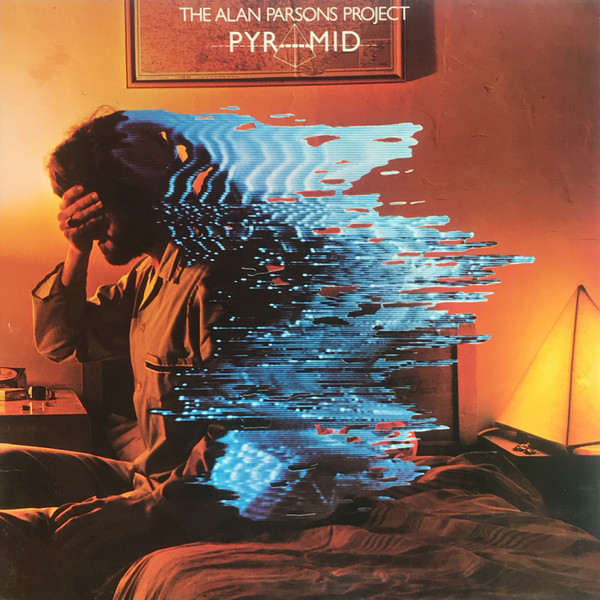
Album Information Section
Album Title: Pyramid
Artist: The Alan Parsons Project
Original Release Date: May 1978
Label: Unknown Label
Genres: Progressive Rock, Art Rock
Track Listing
- 1. Voyager (2:15)
- 2. What Goes Up… (3:57)
- 3. The Eagle Will Rise Again (4:04)
- 4. One More River (4:17)
- 5. Can’t Take It With You (5:03)
- 6. In the Lap of the Gods (5:30)
- 7. Pyramania (2:43)
- 8. Hyper-Gamma-Spaces (4:20)
- 9. Shadow of a Lonely Man (5:35)
Recording Information
Pyramid was primarily recorded at the famed Abbey Road Studios in London, a location synonymous with iconic recordings from various artists, most notably The Beatles. The recording sessions took place during the year 1977, as the band sought to build upon the success of their previous works while exploring new musical territories.
The album was produced by Alan Parsons and Eric Woolfson, the duo at the core of The Alan Parsons Project. Parsons, known for his meticulous approach to sound engineering, utilized advanced recording techniques and equipment that were cutting-edge for the time. Notably, the use of synthesizers and layered vocal harmonies became a defining characteristic of the album’s sound.
One interesting production note is that the album’s concept was inspired by the idea of Egyptian mythology and the mysteries of pyramids, which is reflected not only in the artwork but also in the thematic content of the lyrics. The track “Pyramania” particularly emphasizes this playful yet profound connection to the ancient world.
Band Context
The Alan Parsons Project was experiencing significant growth around the time of Pyramid’s release. Formed in 1975, the band quickly gained recognition for their unique blend of progressive rock and art rock, characterized by elaborate studio production and conceptual themes. By 1978, following the success of their earlier albums such as “Tales of Mystery and Imagination” and “I Robot,” they had established a solid fanbase and a reputation for innovative music.
During the recording of Pyramid, the lineup included Alan Parsons as the sound engineer and producer, alongside Eric Woolfson, who handled vocals and keyboards. The album featured contributions from various session musicians, adding depth to the overall sound. This collaborative approach allowed for a rich tapestry of musical styles within the album.
Pyramid was released at a time when the band was transitioning from their initial conceptual works into a broader appeal, aiming to attract mainstream listeners while retaining their artistic integrity. The album’s themes of existentialism and human experience resonated with audiences, leading to a greater appreciation of the band’s artistic endeavors.
Track Commentary
The tracks on Pyramid showcase a diverse range of musical styles and themes, blending progressive rock elements with lush melodies and intricate arrangements. The opening track, “Voyager,” serves as a brief instrumental introduction that sets the stage for the album’s sonic journey.
“What Goes Up…” features a catchy chorus and explores themes of ambition and the cyclical nature of life, making it a standout track that received airplay and acclaim. Meanwhile, “The Eagle Will Rise Again” is a poignant ballad that highlights Woolfson’s emotive vocals and the band’s signature harmonies.
Other notable tracks include “One More River,” which introduces a more introspective tone, and “Can’t Take It With You,” a reflection on materialism and the transient nature of life. “In the Lap of the Gods” offers a theatrical flair, merging rock with orchestral elements, while “Pyramania” infuses a sense of humor into the album, presenting the idea of obsession with pyramids in a light-hearted manner.
As the album progresses, “Hyper-Gamma-Spaces” dives into more experimental territory, with its complex structure and innovative use of synthesizers. Finally, “Shadow of a Lonely Man” closes the album on a reflective note, encapsulating the overarching themes of isolation and introspection.
Pyramid received a mixed but generally positive critical reception upon its release, with many praising its ambitious production and thematic depth. Over time, the album has gained recognition as a significant entry in The Alan Parsons Project’s discography, influencing subsequent generations of musicians and fans alike. The enduring appeal of tracks like “What Goes Up…” and “The Eagle Will Rise Again” solidified the album’s legacy within the progressive rock genre.
