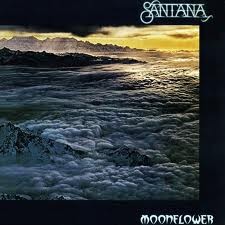
Album Information Section
Album Title: Moonflower
Artist: Santana
Original Release Date: October 1977
Label: Legacy
Genres: Rock, Latin Rock, Jazz Fusion
Track Listing:
- 1. Dawn / Go Within (2:44)
- 2. Carnaval (2:18)
- 3. Let the Children Play (2:38)
- 4. Jugando (2:10)
- 5. I’ll Be Waiting (5:20)
- 6. Zulu (3:25)
- 7. Bahía (1:37)
- 8. Black Magic Woman / Gypsy Queen (6:33)
- 9. Dance Sister Dance (Baila mi hermana) (7:46)
- 10. Europa (Earth’s Cry Heaven’s Smile) (6:07)
- 11. She’s Not There (4:09)
- 12. Flor D’Luna (Moonflower) (5:02)
- 13. Soul Sacrifice / Head, Hands & Feet (Drum Solo) (14:01)
- 14. El Morocco (5:05)
- 15. Transcendance (5:14)
- 16. Savor / Toussaint L’Overture (12:59)
- 17. Black Magic Woman (single version) (2:38)
- 18. I’ll Be Waiting (single version) (3:12)
- 19. She’s Not There (single version) (3:19)
Recording Information
“Moonflower” was recorded at the renowned Caribou Ranch studio located in the Rocky Mountains of Colorado. The recording sessions took place primarily during 1977, a year that marked a pivotal point in Santana’s evolving sound. The production of the album was helmed by the band’s guitarist and founder, Carlos Santana, alongside producer and engineer, Mike Stone, who was known for his work on several notable rock albums of that era.
A notable recording technique used during the sessions included the incorporation of live recordings from Santana’s performances, which added a dynamic energy to the album. The blend of studio and live tracks reflects the band’s commitment to capturing the essence of their electrifying live shows. This approach not only preserves the spontaneity of their performances but also showcases the improvisational skills of the band members, particularly their ability to meld rock with Latin and jazz influences.
Band Context
By the time “Moonflower” was released, Santana had solidified its position as a major force in rock music, particularly with their fusion of Latin rhythms and rock elements. The band experienced a surge in popularity following their breakthrough self-titled debut album in 1969 and the subsequent release of “Abraxas” in 1970, which featured hits like “Black Magic Woman.” However, the mid-1970s presented challenges, including lineup changes and shifts in musical direction.
During the recording of “Moonflower,” the lineup included Carlos Santana (guitar, vocals), Greg Rolie (keyboards, vocals), David Brown (bass), Michael Shrieve (drums), and new members such as percussionist José Areas. This period was marked by the band’s exploration of varied musical styles, including jazz fusion and funk, reflecting Santana’s desire to innovate and evolve beyond their earlier sound.
Prior to the release of “Moonflower,” Santana faced a transitional phase with some members departing and new ones joining, which contributed to a fresh creative dynamic. The album was well-received, further establishing the band in the late 1970s rock landscape.
Track Commentary
The album “Moonflower” features a mix of original compositions and reimagined classics, showcasing Santana’s signature guitar work alongside a rich tapestry of instrumental arrangements. The opening track, “Dawn / Go Within,” sets an introspective tone, evolving into the vibrant “Carnaval,” which highlights the band’s Latin roots.
Tracks like “Let the Children Play” and “Jugando” exhibit a playful spirit and rhythmic complexity, while “Black Magic Woman / Gypsy Queen” stands out as a fusion of two beloved songs, cementing its status as a classic within Santana’s repertoire. The extended instrumental “Soul Sacrifice / Head, Hands & Feet” features a captivating drum solo that showcases the exceptional musicianship of the band, which is a hallmark of their live performances.
Additionally, “Europa (Earth’s Cry Heaven’s Smile)” is a standout track, noted for its emotive guitar melodies and atmospheric soundscapes, often regarded as one of Santana’s most profound compositions. The inclusion of single versions of “Black Magic Woman,” “I’ll Be Waiting,” and “She’s Not There” offers listeners a glimpse into the band’s commercial appeal and radio-friendly sound during this era.
Overall, “Moonflower” is a testament to Santana’s artistic vision and versatility, combining elements of rock, jazz, and Latin music. The album not only reflects the band’s journey but also leaves a lasting legacy that resonates with audiences to this day.
