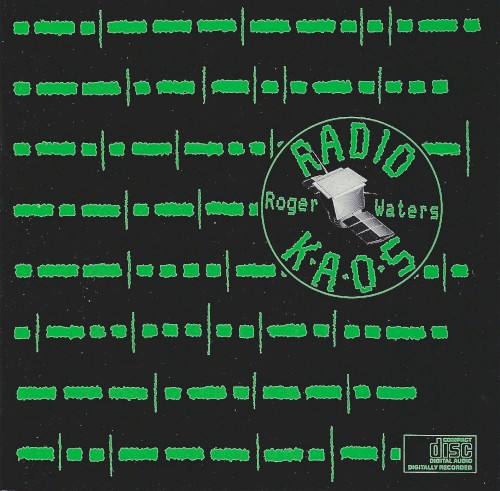
Album Information Section
Album Title: Radio K.A.O.S.
Artist: Roger Waters
Original Release Date: 1987-06-15
Label: Unknown Label
Genres: Rock, Progressive Rock, Concept Album
Track Listing:
- 1. Radio Waves (4:58)
- 2. Who Needs Information (5:56)
- 3. Me or Him (5:24)
- 4. The Powers That Be (4:36)
- 5. Sunset Strip (4:45)
- 6. Home (6:00)
- 7. Four Minutes (4:00)
- 8. The Tide Is Turning (After Live Aid) (5:44)
Recording Information
Radio K.A.O.S. was primarily recorded at the Utopia Studios in London, England, during the year 1987. The production credits go to Roger Waters, who took the lead in shaping the album’s sonic landscape, and James Guthrie, an experienced engineer known for his work with Pink Floyd, who contributed significantly to the overall sound. The album was notable for its use of synthesizers and electronic instruments, showcasing a shift from traditional rock instrumentation to a more avant-garde approach. Waters employed a range of recording techniques, including layering of vocals and sound effects, to create a distinctive auditory experience that complemented the narrative theme of the album.
A particularly interesting production note is that the album features radio transmission interludes, which were designed to enhance the concept of a radio broadcast throughout the album’s listening experience. This innovative approach added depth to the storytelling elements present in the lyrics.
Band Context
At the time of the release of Radio K.A.O.S., Roger Waters was navigating a significant transition in his career. After leaving Pink Floyd in 1985, he was focused on establishing his identity as a solo artist. The mid-1980s were a period of introspection for Waters, as he grappled with the legacy of his past while seeking to address contemporary issues through his music. With this album, Waters aimed to explore themes related to media, communication, and the impact of technology on society. Waters was joined by a talented group of musicians, including Andy Fairweather Low on guitar, Michael Kamen on keyboards, and Dave Harris on bass, among others. This lineup helped bring his vision to life, combining elements of rock with electronic influences.
Leading up to the album, Waters had begun to receive mixed reactions to his work, particularly after his departure from Pink Floyd. However, his commitment to addressing social issues through music remained steadfast, culminating in the creation of Radio K.A.O.S., which sought to critique the media landscape of the time. This album served as a precursor to his later works, which continued to delve into themes of alienation and societal critique.
Track Commentary
The tracks on Radio K.A.O.S. are woven together by a narrative that follows a character named Billy, a mentally challenged man who communicates through radio waves. The opening track, Radio Waves, sets the stage for the album’s themes of communication and disconnection, featuring catchy hooks accompanied by synthesizer-driven instrumentation. The subsequent track, Who Needs Information, reflects Waters’ critical stance on the media, emphasizing the erosion of truth in favor of sensationalism.
Me or Him presents a more personal narrative, exploring themes of relationships and betrayal, while The Powers That Be critiques authority and societal control. The fifth track, Sunset Strip, offers a glimpse into the darker aspects of fame and the music industry, showcasing Waters’ ability to blend personal and political commentary. Home provides a poignant reflection on belonging and displacement, resonating with listeners on an emotional level.
Four Minutes serves as a brief yet impactful track that highlights the urgency of communication in a fast-paced world, while the closing track, The Tide Is Turning (After Live Aid), is a hopeful anthem that reflects on the potential for change and renewal following significant global events. This song resonated strongly with audiences and is often regarded as one of the standout moments of the album.
Overall, Radio K.A.O.S. received a mixed critical reception upon its release, with some praising its ambitious narrative and innovative sound, while others felt it lacked the cohesiveness of Waters’ earlier work with Pink Floyd. Despite this, the album has since gained recognition for its bold exploration of media and communication, solidifying its place in Waters’ discography and the broader landscape of rock music.
