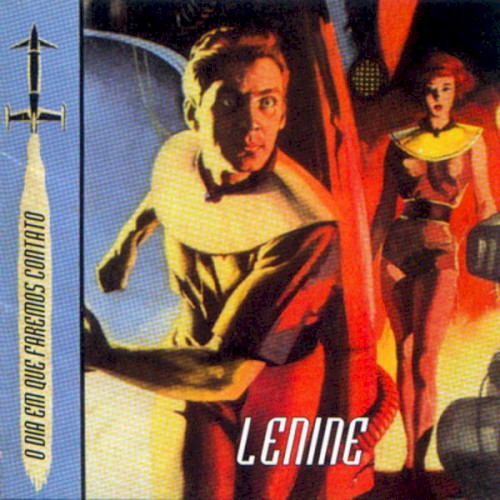
Album Information Section
Album Title: O Dia Em Que Faremos Contato
Artist: Lenine
Original Release Date: 1997-11-08
Label: Ariola
Genres: MPB (Música Popular Brasileira), Brazilian Rock
Track Listing:
- 1. A Ponte (4:28)
- 2. Hoje Eu Quero Sair Só (5:38)
- 3. Candeeiro Encantado (4:14)
- 4. Etnia Caduca (2:36)
- 5. Distantes Demais (2:05)
- 6. O Dia Em Que Faremos Contato (4:44)
- 7. A Balada Do Cachorro Louco (Fere Rente) (4:22)
- 8. Aboio Avoado (0:59)
- 9. Dois Olhos Negros (3:51)
- 10. O Marco Marciano (4:01)
- 11. Que Baque É Esse ? (5:20)
- 12. Pernambuco Falando Para o Mundo (4:25)
- 13. Bundalelê (2:38)
- 14. Mote do Navio (2:37)
Recording Information
The album “O Dia Em Que Faremos Contato” was recorded at the renowned Estúdio Tenda located in Rio de Janeiro, Brazil. The recording sessions took place throughout 1997, a year marked by Lenine’s continuous exploration of musical styles and cultural themes.
The album was produced by Lenine himself, alongside Fábio Ribeiro, who also served as the engineer for the project. Notably, the recording utilized a mix of traditional Brazilian instruments and modern production techniques, showcasing Lenine’s innovative approach to blending genres.
One interesting production note is the use of live recordings of street sounds which were incorporated into the album, enhancing its authenticity and connection to Brazilian culture. The album’s creation was driven by Lenine’s desire to capture the essence of everyday life in Brazil, making it a unique auditory experience.
Band Context
At the time of the album’s release, Lenine was already a well-respected figure in the Brazilian music scene, known for his distinctive voice and poetic lyrics that often addressed social issues and cultural identity. Following the success of his previous works, Lenine was at a pivotal moment in his career, transitioning from a local performer to a national icon.
The lineup during the recording of “O Dia Em Que Faremos Contato” predominantly featured Lenine on vocals and acoustic guitar, accompanied by a group of talented musicians who contributed various instruments such as keyboards, percussion, and bass. This collective approach added depth and vibrancy to the album, emphasizing collaboration and creativity.
Before this album, Lenine had gained recognition for his earlier releases, but “O Dia Em Que Faremos Contato” represented a significant evolution in his sound, characterized by a deeper exploration of MPB and rock influences. The album’s themes of connection and communication resonated with listeners, aligning with the socio-political climate of Brazil during the late 1990s, a period defined by both optimism and uncertainty.
Track Commentary
The album opens with the captivating track “A Ponte,” which sets the tone for the record with its intricate melodies and thought-provoking lyrics. This track, like many others on the album, blends elements of traditional Brazilian music with contemporary sounds, a hallmark of Lenine’s style.
“Hoje Eu Quero Sair Só” is another standout track, showcasing Lenine’s lyrical prowess and ability to convey complex emotions through simple yet profound storytelling. The song became one of the album’s most notable singles, receiving significant airplay and critical acclaim.
Throughout the album, tracks such as “O Dia Em Que Faremos Contato” and “Que Baque É Esse?” encapsulate themes of cultural identity, nostalgia, and hope. The song “Pernambuco Falando Para o Mundo” serves as a cultural homage to Lenine’s roots, celebrating the rich heritage of his home state, Pernambuco.
The album’s diversity in style is evidenced by shorter interludes like “Aboio Avoado,” which contrast with longer, more complex compositions, creating a dynamic listening experience. Critics have praised the album for its cohesive structure and innovative arrangements, solidifying Lenine’s legacy as a pioneering artist in Brazilian music.
Ultimately, “O Dia Em Que Faremos Contato” not only marked a significant moment in Lenine’s career but also left an enduring impact on the Brazilian music landscape, resonating with audiences for its authentic representation of cultural themes and musical experimentation.
