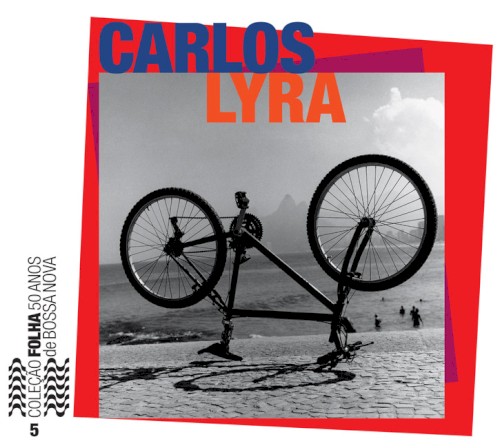
Album Information Section
Album Title: Coleção Folha 50 anos de bossa nova, volume 5: Carlos Lyra
Artist: Carlos Lyra
Original Release Date: August 31, 2008
Label: Folha de S. Paulo
Genres: Bossa Nova, MPB (Música Popular Brasileira)
Track Listing
- 1. Sambalanço (3:08)
- 2. Lobo bobo / Saudade fez um samba / Se é tarde me perdoa (3:42)
- 3. Gente do morro (3:39)
- 4. O barco e a vela (3:12)
- 5. Minha namorada (3:11)
- 6. Canção que morre no ar (4:22)
- 7. Mas também quem mandou (2:39)
- 8. Um abraço no João (2:09)
- 9. Só choro quando estou feliz (3:13)
- 10. Você e eu / Coisa mais linda (2:57)
- 11. Pode ir (3:54)
- 12. Se quiseres chorar (2:30)
- 13. Maria Moita (2:32)
- 14. Os olhos da madrugada (2:45)
Recording Information
The album “Coleção Folha 50 anos de bossa nova, volume 5: Carlos Lyra” was recorded in Brazil, although specific studio details are not widely available. The recording sessions took place in 2008, coinciding with the album’s release. Carlos Lyra, a pivotal figure in the bossa nova movement, took an active role in the production of this compilation, showcasing his extensive repertoire.
Notable production techniques and equipment used during this period included the traditional acoustic instruments typical of bossa nova, such as the guitar, piano, and soft percussion, which are essential for capturing the genre’s intimate and melodic essence. The production aimed to maintain the authenticity of the bossa nova sound while enhancing the clarity and warmth of the recordings.
One intriguing aspect of the album’s production is its compilation nature, being part of a larger celebration of 50 years of bossa nova. This project reflects the enduring legacy of the genre and Lyra’s significant contributions to its evolution over the decades.
Band Context
At the time of this album’s release, Carlos Lyra was regarded as one of the foundational artists of the bossa nova genre. Having risen to prominence in the 1960s, Lyra’s work had evolved through various musical phases, and by 2008, he was a celebrated figure not only for his music but also for his influence on younger generations of Brazilian musicians.
During this period, Lyra was often recognized for his sophisticated lyrics and innovative melodies, which had garnered him a loyal following. This album serves as a retrospective of his career, bringing together some of his most beloved tracks. The compilation features a mix of his earlier works and lesser-known songs, allowing listeners to appreciate the breadth of his artistry.
Before the release of this album, Lyra had continued to engage with audiences through live performances and collaborations, reflecting the dynamic nature of his career. The album is thus both a celebration of his past and a testament to his ongoing relevance in the Brazilian music scene.
Track Commentary
The tracks on this album exemplify the hallmark traits of bossa nova: melodic sophistication, rhythmic innovation, and lyrical depth. The opening track, “Sambalanço,” sets the tone with its engaging rhythm and catchy melody, while “Lobo bobo / Saudade fez um samba / Se é tarde me perdoa” showcases Lyra’s ability to weave together different musical themes within a single song.
Tracks like “Gente do morro” and “Minha namorada” highlight the emotive storytelling that characterizes much of Lyra’s work, resonating with listeners through their relatable themes of love and nostalgia. The inclusion of “Só choro quando estou feliz” serves as a poignant reminder of the complexities of human emotion, a common thread throughout the album.
Standout tracks such as “Você e eu / Coisa mais linda” and “Os olhos da madrugada” have received particular acclaim for their lyrical beauty and melodic charm, contributing to the overall critical reception of the album as a significant installment in the bossa nova canon. Critics have noted that these songs not only reflect Lyra’s mastery as a songwriter but also his enduring impact on Brazilian music as a whole.
In summary, “Coleção Folha 50 anos de bossa nova, volume 5: Carlos Lyra” serves not only as a collection of songs but as a celebration of a musical legacy that continues to resonate with audiences both in Brazil and around the world.
