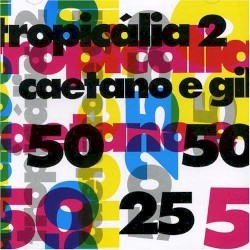
Album Information Section
Album Title: Tropicália 2
Artists: Caetano Veloso, Gilberto Gil
Original Release Date: 1993
Label: PolyGram do Brasil
Genres: Tropicália, MPB (Música Popular Brasileira)
Track Listing
- 1. Haiti (4:19)
- 2. Cinema novo (4:16)
- 3. Nossa gente (2:54)
- 4. Rap Popcreto (1:58)
- 5. Wait Until Tomorrow (3:25)
- 6. Tradicão (5:54)
- 7. As coisas (2:38)
- 8. Aboio (1:32)
- 9. Dada (3:00)
- 10. Cada macaco no seu galho (Cho chuá) (3:21)
- 11. Baião atemporal (3:40)
- 12. Desde que o samba é samba (5:11)
Recording Information
“Tropicália 2” was recorded at the esteemed Estúdio Transamérica in São Paulo, Brazil. The recording sessions took place during the early 1990s, a pivotal time when Brazil was transitioning politically and culturally. The album was produced by Caetano Veloso and Gilberto Gil themselves, two of the leading figures in the Tropicália movement of the late 1960s, with engineering support from seasoned professionals in the field.
The recording process involved a blend of traditional Brazilian sounds with modern instrumentation, a hallmark of the Tropicália movement. Notably, the album employs a variety of recording techniques that enhance its eclectic sound, such as layering vocals and using unconventional rhythms that reflect Brazilian music’s diverse heritage. An interesting production note is the seamless integration of influences from rock, samba, and bossa nova, creating a rich tapestry that defines the album’s sound.
Band Context
By the time “Tropicália 2” was released, Caetano Veloso and Gilberto Gil were already established as icons in Brazilian music. Both artists were instrumental in the Tropicália movement, which emerged as a response to the political censorship of Brazil in the late 1960s. The movement combined music, visual arts, and theater, challenging societal norms and celebrating cultural diversity.
In the years leading up to the release of “Tropicália 2,” Veloso and Gil had experienced significant personal and professional journeys. After spending years in exile due to their political activism, they returned to Brazil and began to explore new musical territories. This album represents a reunion of sorts, as it seeks to revisit the spirit of the original Tropicália while integrating contemporary influences. The lineup for this album primarily featured Veloso and Gil, but they were joined by various musicians who contributed to the vibrant soundscapes present throughout the record.
The early 1990s were marked by a resurgence of interest in Brazilian popular music, as the country underwent a cultural renaissance. Veloso and Gil’s collaboration on this album can be seen as a celebration of their legacy while also affirming their relevance in the modern musical landscape.
Track Commentary
The album opens with “Haiti,” a powerful track that addresses social and political issues, showcasing Veloso’s poignant lyrics and Gil’s masterful guitar work. This track sets the tone for the album, blending Afro-Brazilian rhythms with rock influences. “Cinema novo,” another standout track, pays homage to the Brazilian cinema movement that challenged traditional storytelling, reflecting the duo’s artistic ethos.
Tracks like “Nossa gente” and “Rap Popcreto” showcase a playful yet critical take on contemporary society, utilizing a mix of musical styles that include samba and rap. The latter track, which is only 1:58 minutes long, emphasizes brevity and wit, a signature of the duo’s lyrical approach. “Wait Until Tomorrow” introduces a more introspective vibe, allowing the listener to experience a moment of reflection amidst the album’s lively rhythms.
As the album progresses, songs like “Tradicão” and “Cada macaco no seu galho (Cho chuá)” delve into Brazilian folklore and cultural identity, encapsulating the essence of Tropicália. The final track, “Desde que o samba é samba,” serves as a nostalgic homage to samba’s roots, reminding listeners of the genre’s enduring significance in Brazilian music.
Overall, “Tropicália 2” received critical acclaim for its innovative approach, with many praising its ability to merge various musical styles while remaining rooted in Brazilian culture. The album stands as a testament to Veloso and Gil’s legacy, influencing generations of musicians and continuing to resonate within the Brazilian music scene today.
