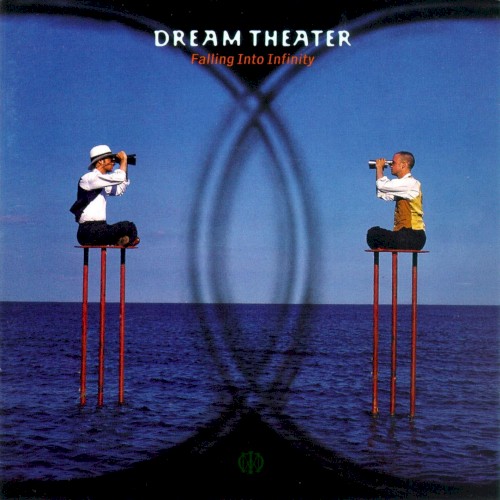
Album Information Section
Album Title: Falling Into Infinity
Artist: Dream Theater
Original Release Date: 1997-09-23
Label: Unknown Label
Genres: Progressive Metal, Progressive Rock
Track Listing
- 1. New Millennium (8:20)
- 2. You Not Me (4:59)
- 3. Peruvian Skies (6:43)
- 4. Hollow Years (5:54)
- 5. Burning My Soul (5:29)
- 6. Hell’s Kitchen (4:17)
- 7. Lines in the Sand (12:05)
- 8. Take Away My Pain (6:03)
- 9. Just Let Me Breathe (5:29)
- 10. Anna Lee (5:53)
- 11. Trial of Tears (13:05)
Recording Information
Falling Into Infinity was recorded at the renowned Bearsville Studios located in Woodstock, New York. The recording sessions took place throughout 1997, culminating in the album’s release in September of that year. The album was produced by the band itself, alongside the engineering expertise of Mike Portnoy, the band’s drummer, and co-founder. Notably, the album marked a shift in production techniques for Dream Theater; they employed a more polished sound compared to their earlier works, utilizing advanced digital recording equipment that was emerging in the late 1990s.
An interesting production note is that the band faced several challenges while recording, including creative differences and the pressure to deliver a commercially viable album. This led to a more collaborative writing process, with members contributing ideas and influences that would shape the album’s final sound.
Band Context
At the time of the release of Falling Into Infinity, Dream Theater was navigating a critical juncture in their career. They had achieved significant success with their previous albums, such as Images and Words and Awake, but the band was also grappling with the pressures of fame and the expectations of their growing fanbase. The lineup during this period included James LaBrie (vocals), John Petrucci (guitar), Jordan Rudess (keyboards), John Myung (bass), and Mike Portnoy (drums). This lineup is often regarded as the classic Dream Theater configuration, contributing to the band’s signature sound.
Before the recording of Falling Into Infinity, the band experienced a tumultuous period marked by internal conflict and lineup changes, particularly with keyboardist Derek Sherinian’s departure. Rudess’s arrival brought a fresh perspective to the band’s music, influencing the album’s experimental sound. Furthermore, the band was under pressure from their label to create a more accessible album, which led to a mix of progressive elements with radio-friendly tunes.
Track Commentary
The album opens with “New Millennium,” a track that sets the stage for the themes of change and introspection that permeate the album. Its complex time signatures and melodic hooks exemplify the band’s technical prowess. “You Not Me” follows, featuring a more straightforward rock sound, and serves as a single that showcases LaBrie’s vocal range.
“Peruvian Skies” and “Hollow Years” delve into more introspective themes, with the former presenting a narrative-driven lyrical approach. “Burning My Soul” introduces a heavier sound, characterized by aggressive guitar riffs and a driving rhythm. “Hell’s Kitchen” employs an instrumental format, allowing the band to showcase their virtuosity through complex arrangements and improvisational sections.
The centerpiece of the album, “Lines in the Sand,” is a sprawling epic that combines progressive rock elements with powerful lyrics about societal issues. It is one of the standout tracks, often highlighted in live performances. “Take Away My Pain” and “Just Let Me Breathe” reflect the band’s signature blend of melody and technicality, while “Anna Lee” offers a poignant and emotional ballad, showcasing the softer side of Dream Theater.
Finally, “Trial of Tears” closes the album with a sweeping narrative that encapsulates the emotional and thematic depth of the entire project. Overall, Falling Into Infinity is seen as a pivotal release in Dream Theater’s discography, balancing the band’s progressive roots with a more mainstream appeal. Critics have lauded the album for its ambitious scope and intricate compositions, solidifying its place in the pantheon of progressive metal.
