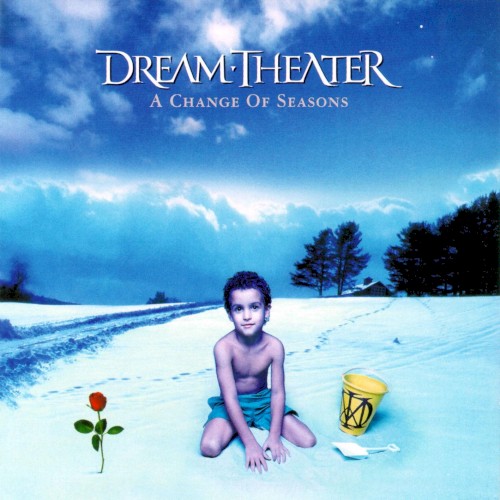
Album Information Section
Album Title: A Change of Seasons
Artist: Dream Theater
Original Release Date: September 10, 1995
Label: Unknown Label
Genres: Progressive Metal, Progressive Rock
Track Listing:
- 1. A Change of Seasons: I. The Crimson Sunrise / II. Innocence / III. Carpe Diem / IV. The Darkest of Winters / V. Another World / VI. The Inevitable Summer / VII. The Crimson Sunset (23:09)
- 2. Funeral for a Friend / Love Lies Bleeding (10:49)
- 3. Perfect Strangers (5:33)
- 4. The Rover / Achilles Last Stand / The Song Remains the Same (7:29)
- 5. The Big Medley: In the Flesh? / Carry On Wayward Son / Bohemian Rhapsody / Lovin, Touchin, Squeezin / Cruise Control / Turn It On Again (10:34)
Recording Information
“A Change of Seasons” was recorded at the legendary Bearsville Studios located in Bearsville, New York. The recording sessions took place in the spring of 1995, marking a significant period of creative output for the band. The album was produced by the renowned David Prater, who was instrumental in capturing the dynamic sound that Dream Theater is known for. Notably, the engineering was handled by the band’s own John Petrucci, ensuring that the band’s vision was faithfully realized in the studio.
During the recording, the band experimented with various recording techniques that showcased their intricate musical styles. The use of multiple guitar layers and complex time signatures were prominent features in the production of the album. An interesting production note involves the lengthy title track, which was originally written as a tribute to the late drummer of the band, Mike Portnoy’s mentor, and the lyrics explore themes of life, loss, and the passage of time.
Band Context
At the time of “A Change of Seasons,” Dream Theater was solidifying its position as one of the leading bands in the progressive metal genre. Formed in 1985, the band had already released several critically acclaimed albums by 1995, including “Images and Words” and “Awake.” The lineup during this recording consisted of James LaBrie (vocals), John Petrucci (guitar), John Myung (bass), Derek Sherinian (keyboards), and Mike Portnoy (drums). This album was particularly significant as it marked a transitional period for the band, showcasing their ability to blend heavy metal with complex, symphonic arrangements.
Before the release of “A Change of Seasons,” the band had been on an upward trajectory, gaining a devoted fan base and critical acclaim. However, tensions were also brewing within the group, especially regarding creative directions and the pressures of touring. These dynamics would later influence their subsequent works. The album was also notable for its release in a time when live performances were becoming a crucial aspect of their career, leading to the inclusion of live tracks in future releases.
Track Commentary
The title track, “A Change of Seasons,” is a monumental 23-minute piece that serves as the centerpiece of the album. Divided into seven sections, it showcases Dream Theater’s signature blend of complex time signatures, virtuosic musicianship, and profound lyrical themes. The track transitions seamlessly through various musical landscapes, from serene melodies to powerful, heavy sections, illustrating the cyclical nature of life.
Following the title track, “Funeral for a Friend / Love Lies Bleeding,” a cover of Elton John’s classic, demonstrates the band’s ability to reinterpret well-known music through their progressive lens. This track, alongside “Perfect Strangers,” a Deep Purple cover, highlights the band’s eclectic influences and commitment to honoring rock history while pushing boundaries.
“The Rover / Achilles Last Stand / The Song Remains the Same” is a medley that pays homage to Led Zeppelin, showcasing Dream Theater’s roots in classic rock while offering a fresh take on the iconic tracks. The final track, “The Big Medley,” is a whirlwind of classic rock anthems that further cements the band’s reputation for live performance prowess and crowd engagement.
Critically, “A Change of Seasons” was well-received, with many praising its ambitious scope and musical complexity. The title track, in particular, has become a fan favorite and is often regarded as one of Dream Theater’s signature pieces, cementing the band’s legacy in the annals of progressive rock history. Over the years, the album has continued to resonate with fans and critics alike, serving as a testament to the band’s innovative spirit and artistic vision.
