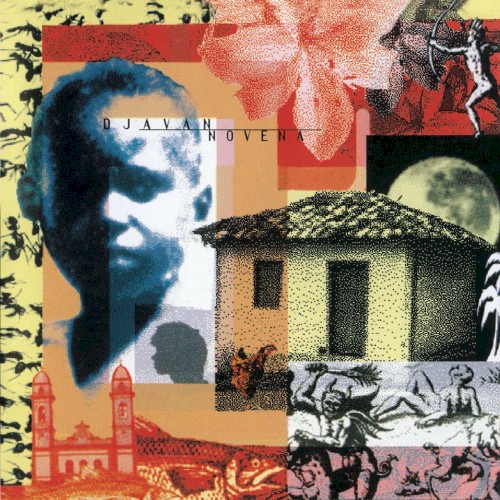
Album Information Section
Album Title: Novena
Artist: Djavan
Original Release Date: 1994
Label: Epic
Genres: MPB (Música Popular Brasileira), Jazz, Bossa Nova
Track Listing
- 1. Limão (4:26)
- 2. Nas ruas (4:33)
- 3. Aliás (3:25)
- 4. Sem saber (5:04)
- 5. Mar à vista (1:43)
- 6. Quero‐quero (4:03)
- 7. Renunciação (3:43)
- 8. Lobisomem (4:26)
- 9. Sete coqueiros (instrumental) (1:03)
- 10. Água de lua (4:48)
- 11. Avô (4:07)
Recording Information
Novena was recorded at the renowned Estúdio Nas Nuvens in Rio de Janeiro, Brazil, a studio known for its state-of-the-art equipment and exceptional acoustics. The recording sessions took place in 1994, during a period marked by a flourishing Brazilian music scene.
The album was produced by Djavan himself, with engineering contributions from seasoned professionals in the industry. Notable recording techniques included the use of vintage microphones and analog equipment, which helped capture the warmth and richness of Djavan’s vocal delivery and instrumentation.
One interesting production note is that Djavan often collaborated closely with his musicians during the recording process, fostering a creative environment that allowed for spontaneous arrangements. This approach resulted in a sound that was both polished and organic, resonating deeply with listeners.
Band Context
At the time of the release of Novena, Djavan was already a prominent figure in Brazilian music, having garnered a significant following through his previous albums. Known for his unique blend of MPB, bossa nova, and jazz influences, Djavan was celebrated for his poetic lyrics and intricate melodies.
The lineup during the recording of Novena featured a mix of established musicians, including guitarists, percussionists, and keyboardists, all contributing to the album’s rich sound. Djavan’s musical style had been evolving, with Novena marking a period of exploration and refinement in his artistry.
Before the release of this album, Djavan experienced significant commercial success, particularly with hits from earlier works. However, he faced the challenge of meeting the expectations of both fans and critics alike. Novena was seen as a pivotal moment in his career, showcasing his growth as a songwriter and musician.
Track Commentary
The album opens with “Limão,” a vibrant track that sets the tone with its rhythmic guitar patterns and Djavan’s expressive vocals. This track exemplifies the fusion of traditional Brazilian music with contemporary influences, a hallmark of Djavan’s style.
“Nas ruas” follows, offering a more introspective lyricism paired with a smooth melody, showcasing Djavan’s ability to weave storytelling into his music. Tracks like “Sem saber” and “Renunciação” further highlight his lyrical depth, exploring themes of love, longing, and existential reflection.
One standout track, “Água de lua,” features lush instrumentation and haunting melodies, earning praise for its emotional resonance. This track, along with “Aliás,” which features a more upbeat tempo, showcases Djavan’s range as an artist, adeptly shifting between introspection and celebration.
The instrumental piece “Sete coqueiros” serves as a brief interlude, allowing listeners to appreciate the intricate musicianship that characterizes the album. The closing track “Avô” reflects a sense of nostalgia and reverence, encapsulating the themes present throughout the album.
Critical reception for Novena was generally positive, with many reviewers highlighting Djavan’s artistic maturity and the album’s cohesive sound. Over the years, the tracks from Novena have continued to resonate with audiences, solidifying Djavan’s legacy in Brazilian music.
