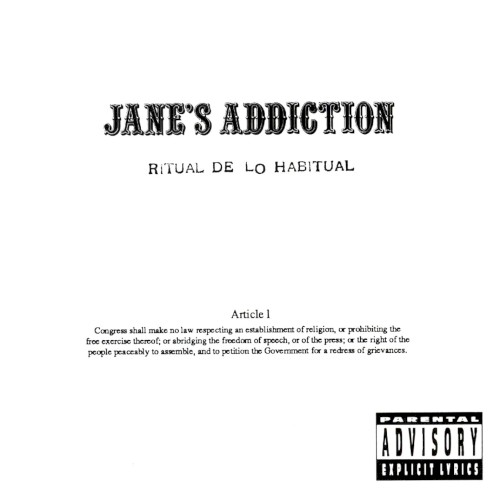
Album Information Section
Album Title: Ritual de lo habitual
Artist: Jane’s Addiction
Original Release Date: August 28, 1990
Label: Unknown Label
Track Listing:
- 1. Stop! (4:17)
- 2. No One’s Leaving (3:03)
- 3. Ain’t No Right (3:37)
- 4. Obvious (5:58)
- 5. Been Caught Stealing (3:36)
- 6. Three Days (10:50)
- 7. Then She Did… (8:20)
- 8. Of Course (7:04)
- 9. Classic Girl (5:08)
Recording Information
Ritual de lo habitual was recorded at the A&M Studios in Los Angeles, California. The sessions took place primarily in 1990, a period marked by intense creative energy for the band. The album was produced by the band itself alongside notable producer and engineer, Bryan “Chicky” McAuliffe. The recording process utilized a variety of techniques and equipment, including analog tape machines that were favored for their warmth and depth of sound. Notably, the band employed unconventional recording methods, such as capturing live performances in the studio to maintain the raw energy of their sound.
One interesting production note is that during the recording sessions, tensions arose among band members, particularly between frontman Perry Farrell and guitarist Dave Navarro. These tensions contributed to the emotional intensity of the album, with many tracks reflecting the personal struggles and dynamics within the band. The album’s title, which translates to “Ritual of the Habitual,” hints at the exploration of themes related to addiction, relationships, and the band’s own turbulent experiences.
Band Context
At the time of the album’s release, Jane’s Addiction was on the cusp of achieving mainstream success, following the underground success of their debut album, Nothing’s Shocking. The band’s lineup consisted of Perry Farrell (vocals), Dave Navarro (guitar), Eric Avery (bass), and Stephen Perkins (drums), a formation that would become iconic in the alternative rock scene. Prior to Ritual de lo habitual, Jane’s Addiction had garnered a following with their unique blend of punk rock, metal, and psychedelic influences, which set them apart from their contemporaries.
During the production of the album, the band was also navigating the pressures of fame and the music industry. Their groundbreaking sound was beginning to attract attention beyond the alternative scene, and they were positioned to become a pivotal influence in the emerging grunge and alternative rock movements of the early 1990s. However, internal conflicts and drug-related issues were also surfacing, foreshadowing the eventual breakup of the band shortly after the album’s release.
Track Commentary
Ritual de lo habitual is often hailed as a landmark album in the alternative rock genre, showcasing a wide array of musical styles and lyrical themes. The opening track, “Stop!,” sets a frenetic pace with its driving rhythm and intense vocal delivery, encapsulating the band’s relentless energy. “No One’s Leaving” follows with a more contemplative tone, exploring themes of isolation and longing.
One of the standout tracks, “Been Caught Stealing,” gained significant attention as a single and remains one of the band’s most recognizable songs. Its catchy hook and funky bassline exemplify Jane’s Addiction’s ability to blend rock with funk influences, making it a favorite among fans and a staple of 90s rock radio. The song’s lyrics reflect a sense of rebelliousness and critique societal norms, which resonated with the youth of the era.
Longer tracks such as “Three Days” and “Then She Did…” showcase the band’s experimental side, with intricate arrangements and shifting dynamics. “Three Days,” in particular, is a sprawling epic that delves into themes of love and loss, featuring haunting guitar work and an emotional vocal performance from Farrell. The latter track, “Then She Did…,” offers a more introspective narrative, encapsulating the band’s ability to weave personal stories into their music.
The album closes with “Classic Girl,” a reflective piece that encapsulates the band’s signature sound while hinting at the complexities of relationships. Overall, Ritual de lo habitual not only solidified Jane’s Addiction’s legacy but also paved the way for future artists, influencing the alternative rock genre for years to come. Its critical reception has only grown over time, with many considering it a defining statement of the 1990s rock scene.
